The short version
- A battery's savings come from the gap between what an exported kWh earns and what an evening kWh costs.
- Under full net metering that gap is close to zero, so a battery saves little on bills.
- Under net billing or steep time-of-use rates, a battery can save several hundred dollars a year.
- Backup during outages is a real benefit, but it is insurance, not a return on investment.
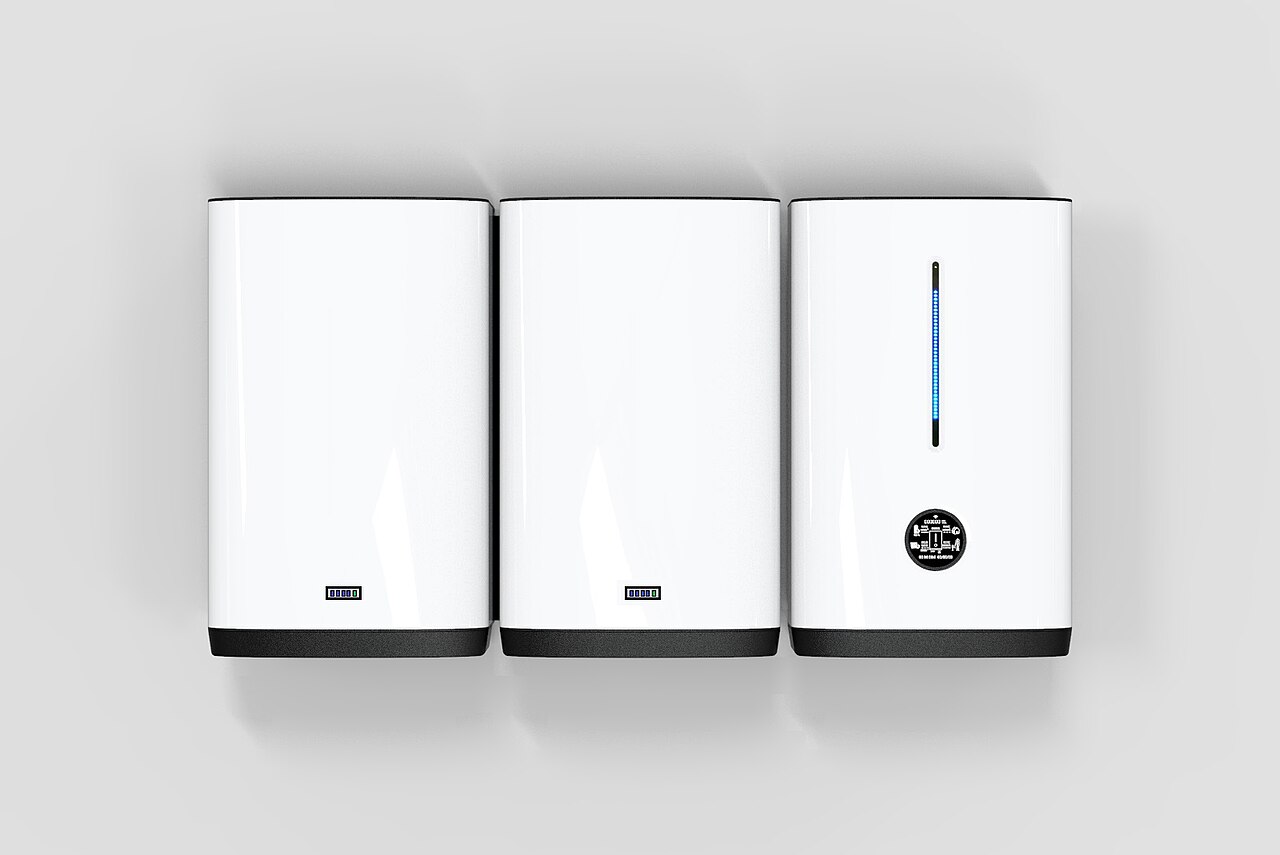
Solar installers increasingly quote a battery by default. Sometimes that is good advice. Often it adds a large cost that the battery will struggle to earn back. The difference comes down to how your utility values the power your panels send to the grid.
Where a battery's savings come from
Solar panels make most of their power around midday. A battery stores some of the surplus and releases it in the evening, when the sun is down and, on many plans, power is most expensive. The value of each kWh the battery moves is roughly:
What that kWh would cost you in the evening − what it would have earned if exported
Batteries also lose some energy in the round trip. Lithium home batteries commonly return somewhere around 85–90% of what goes in.
Three rate situations, three answers
Full net metering
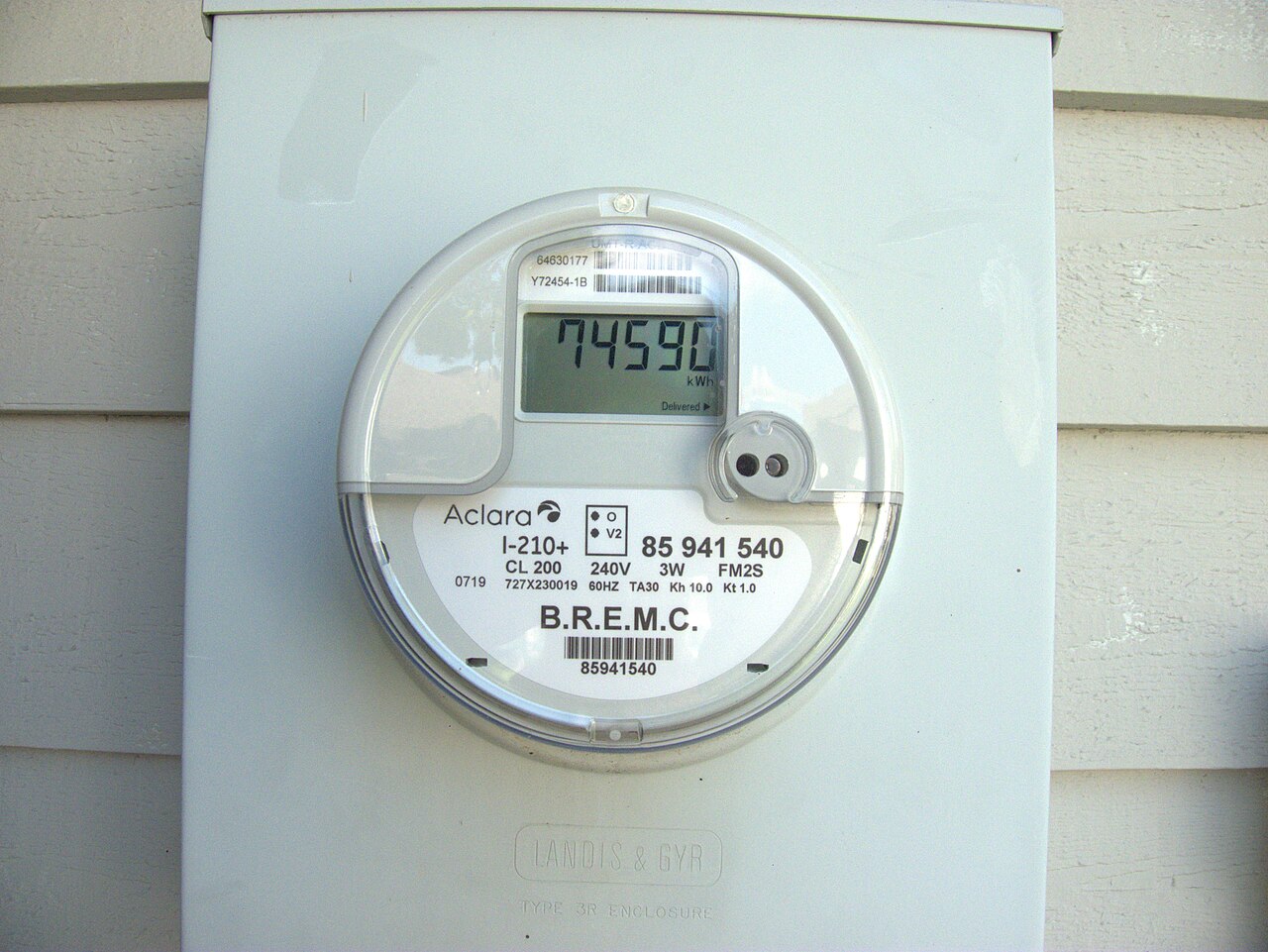
Every kWh you export earns a credit at the full retail rate. The grid already acts as a free, lossless battery. Storing a kWh yourself instead of exporting it gains nothing and loses 10% or so in the round trip. A battery here saves almost nothing on bills. Its value is backup power.
Net billing (low export credit)
Exports earn much less than retail, as under California's 2023 net billing tariff and similar plans in other states. Now every kWh you keep instead of export is worth the difference between retail and the export credit. This is where batteries begin to pay.
Time-of-use rates
If evening power is expensive and overnight or midday power is cheap, a battery can arbitrage the difference, with or without solar. The bigger the peak price gap, the stronger the case.
A worked example
Computed on these assumptions: a battery cycles 10 kWh a day, returns 90% of it, and each kWh stored would otherwise have been exported for 8 cents, while the evening power it replaces costs 30 cents.
- Value delivered each day: 10 × 0.9 × $0.30 = $2.70
- Export credit given up: 10 × $0.08 = $0.80
- Net saving: about $1.90 a day, or roughly $690 a year
Now the same battery under full net metering at 17 cents: 10 × 0.9 × $0.17 − 10 × $0.17 = a loss of about 17 cents a day. The battery costs money to run on paper.
Home batteries commonly cost five figures installed. At $690 a year, a $12,000 battery would take about 17 years to pay back, beyond many battery warranties. The case improves with local rebates, larger rate gaps, or utility programs that pay batteries for helping the grid during emergencies.
The backup value
None of the math above counts outages. If you live where storms, wildfires or grid strain cause long outages, keeping the fridge, freezer, medical devices, sump pump and internet running has a real value that does not show up on a bill. Some people buy a battery for exactly that, the way they would buy insurance. That is a reasonable choice, as long as it is not sold to you as a money-maker.
For backup only, compare against a portable power station for essentials or a standby generator. They are different trade-offs in cost, noise, fuel and maintenance.
Questions to ask before you buy
- What does my utility pay for exported power, and is that changing?
- What are the peak and off-peak prices on my plan, and are there better plans for battery owners?
- Which circuits will the battery back up, and for how long with my typical load?
- What is the warranty in years and in total energy throughput, and what capacity is guaranteed at the end?
- Are there state, utility or grid-service programs that pay battery owners?
The 30% federal credit that once covered batteries ended for systems paid for after 2025, so local programs matter more than ever. DSIRE lists them by location. For the solar side of the decision, see whether solar is worth it for your home.
Questions people ask
How long do home batteries last?
Many home batteries carry a warranty of around 10 years, often with a guaranteed share of capacity remaining at the end, such as 60–70%. Check both the years and the energy throughput limit in the warranty.
Can a battery power my whole house during an outage?
It depends on its capacity and power rating and what you run. A typical single battery can keep the fridge, lights, internet and some outlets going for a day or more. Central air conditioning, electric heat and ovens can drain it quickly or exceed its power output. Most installs back up a selected panel of essential circuits.
Do I need solar to have a battery?
No. A battery alone can charge from the grid overnight on a time-of-use plan and supply the house during peak hours, and it still provides backup. Some utilities also pay battery owners to share stored energy during grid emergencies.
Sources
Numbers on this page are estimates built on the stated assumptions. Your rates, climate and home will change them, so plug in your own figures. Nothing here is financial or professional advice.