Cut your home energy bill with numbers you can check.
Plain-English guides to heating, cooling, solar and the plugs behind your walls. Every claim shows its math and its source, and every calculator takes your own rate.
Since you opened this page, US homes have spent
on electricity. Based on roughly $240 billion a year in residential sales (EIA).
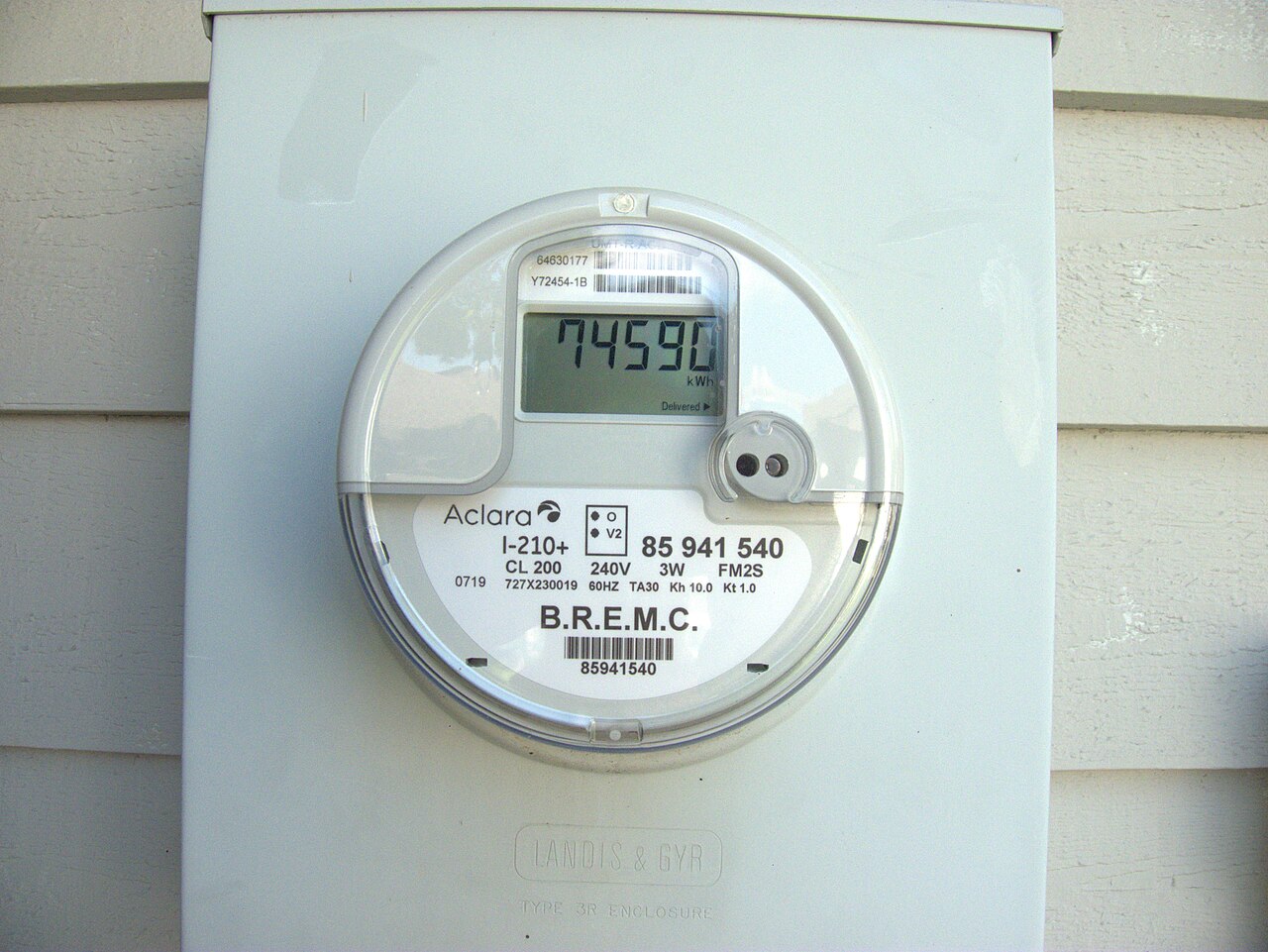
What does that plug really cost?
Choose an appliance, enter your rate and see the cost per day, month and year, ranked against the usual suspects in an American home. The space heater tends to surprise people. So does the fridge, in the other direction.
Appliance cost calculator
Pick an appliance or type the wattage from its label. Costs assume it runs every day.
New guides on bills and upgrades
Long reads with the numbers laid out. Each one ends with sources you can check yourself.
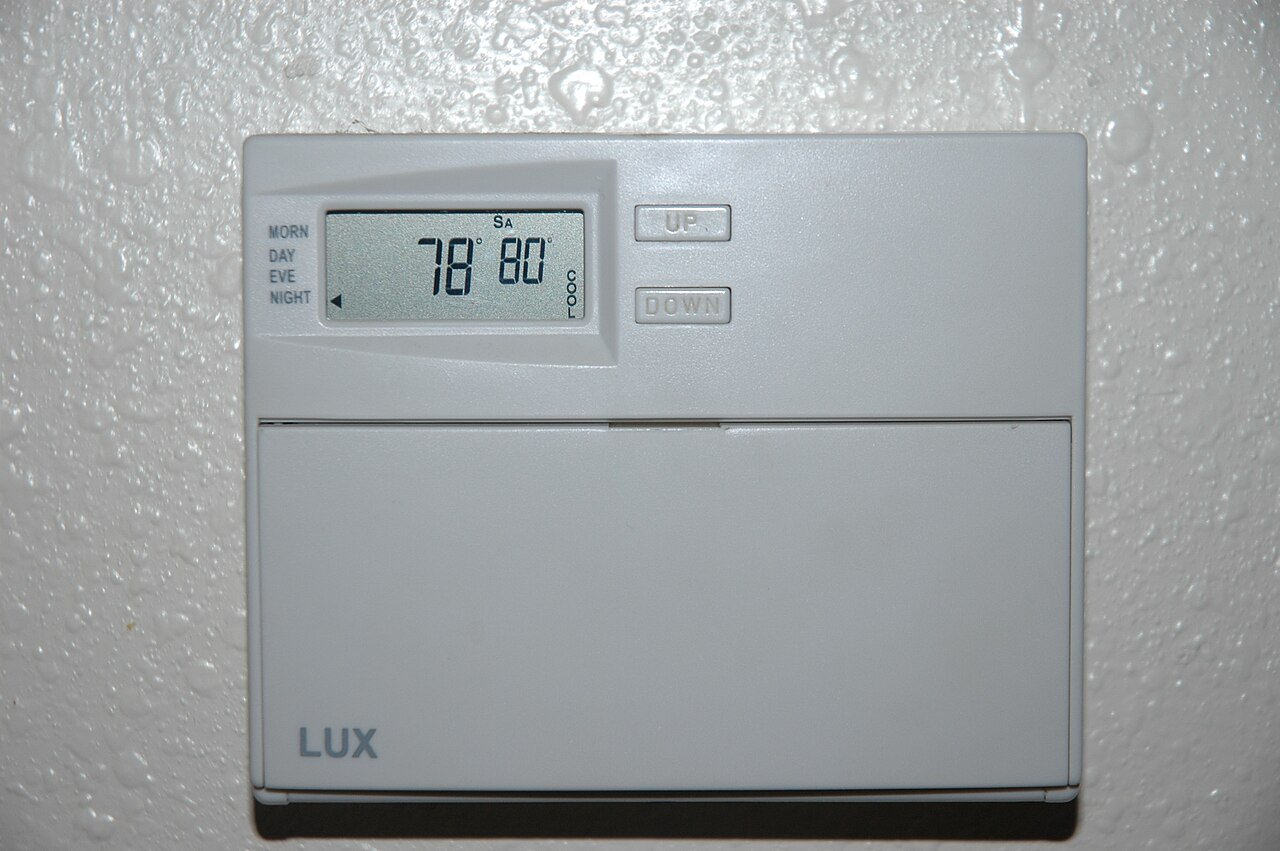
The thermostat settings that actually lower your heating bill
Turning the heat down at night works, and the reason is simple physics. How far to turn it, and when not to, depends on what heats your home.
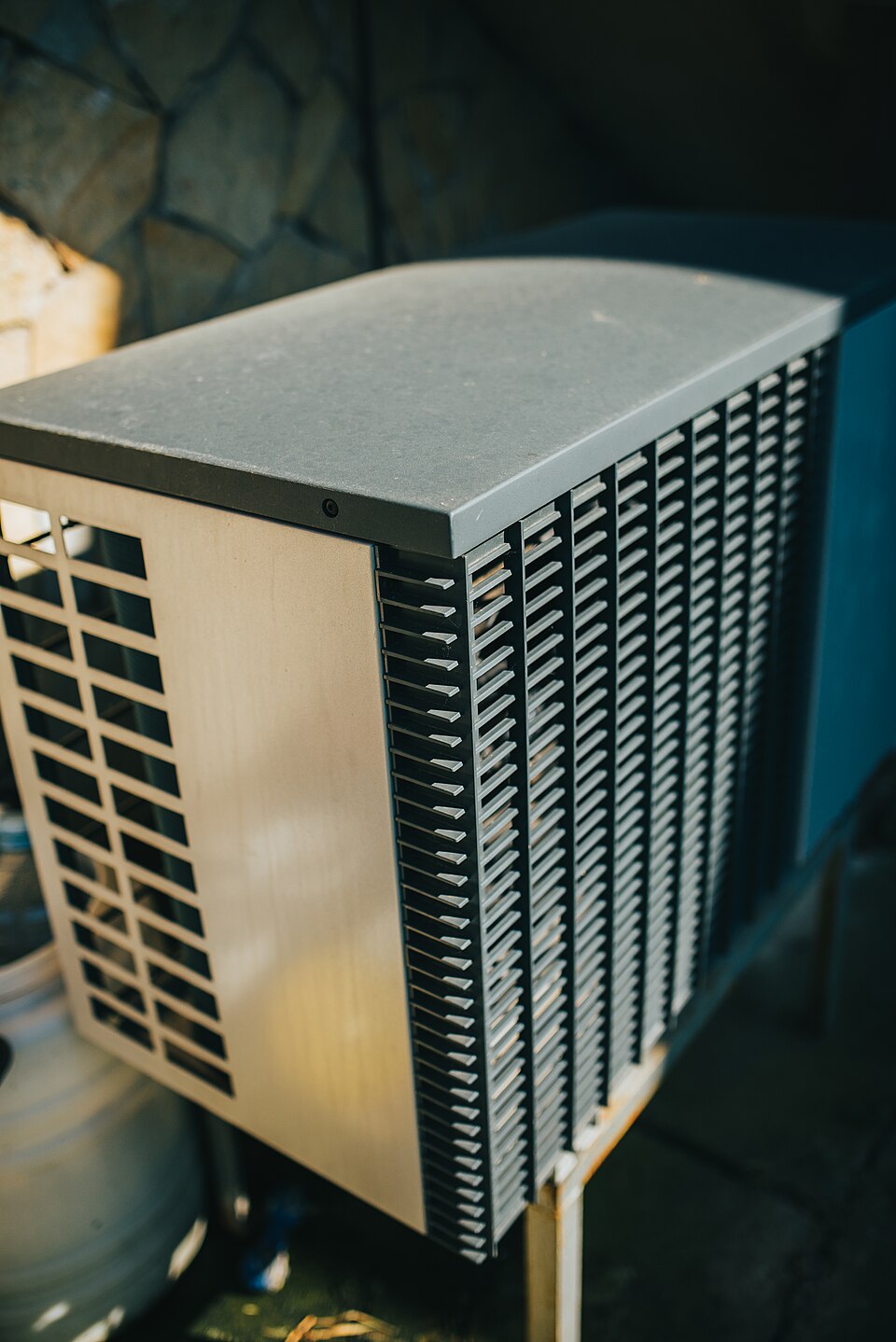
Are heat pumps worth it? The math against gas, oil and propane
A heat pump moves heat instead of making it, so it delivers two to four units of heat for each unit of electricity. Whether that saves you money depends on one ratio.

Is solar worth it for your home? How to run the payback math
The same panels can pay back in nine years on one roof and never on another. Four numbers decide which roof is yours.
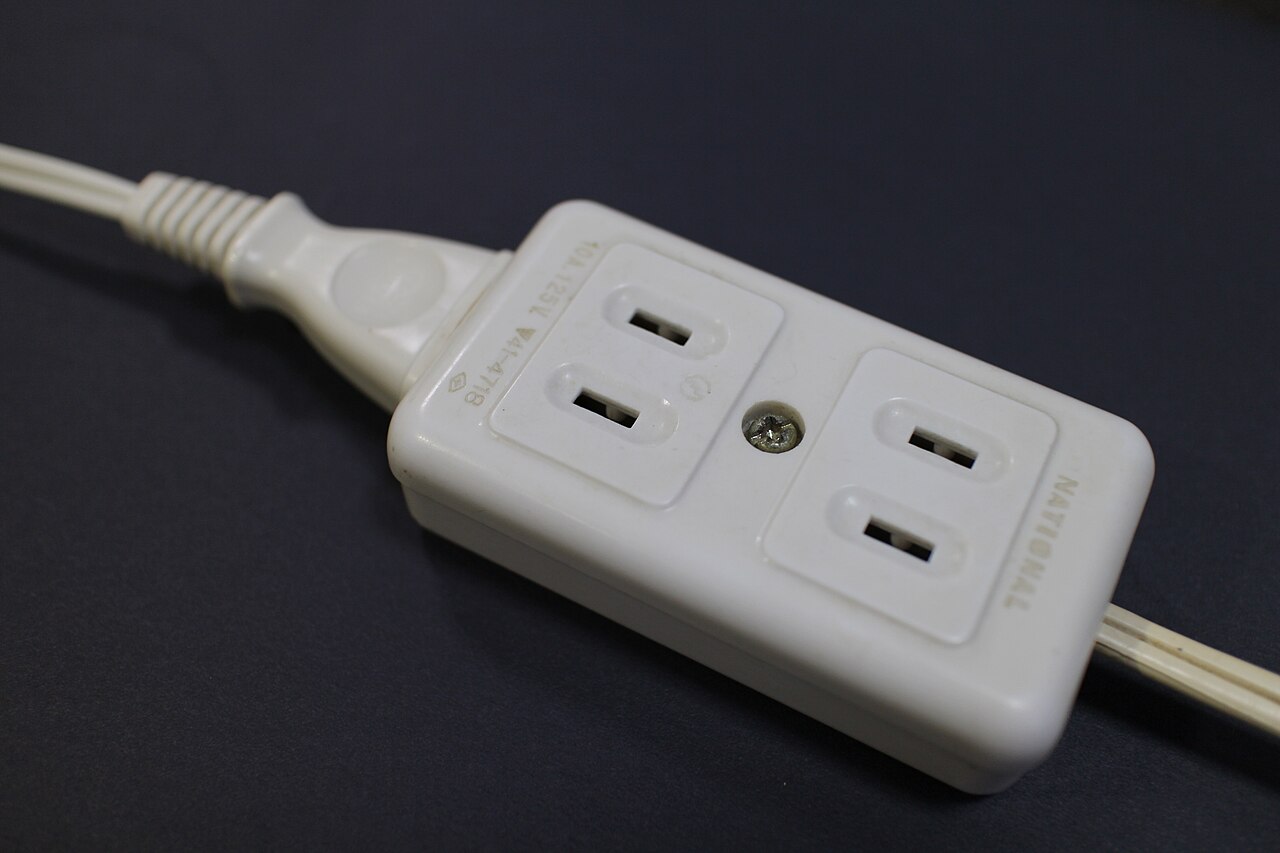
Phantom power: the electricity you pay for while everything is off
Every always-on watt costs about $1.50 a year. Most homes have dozens of them, and a few devices account for most of the total.
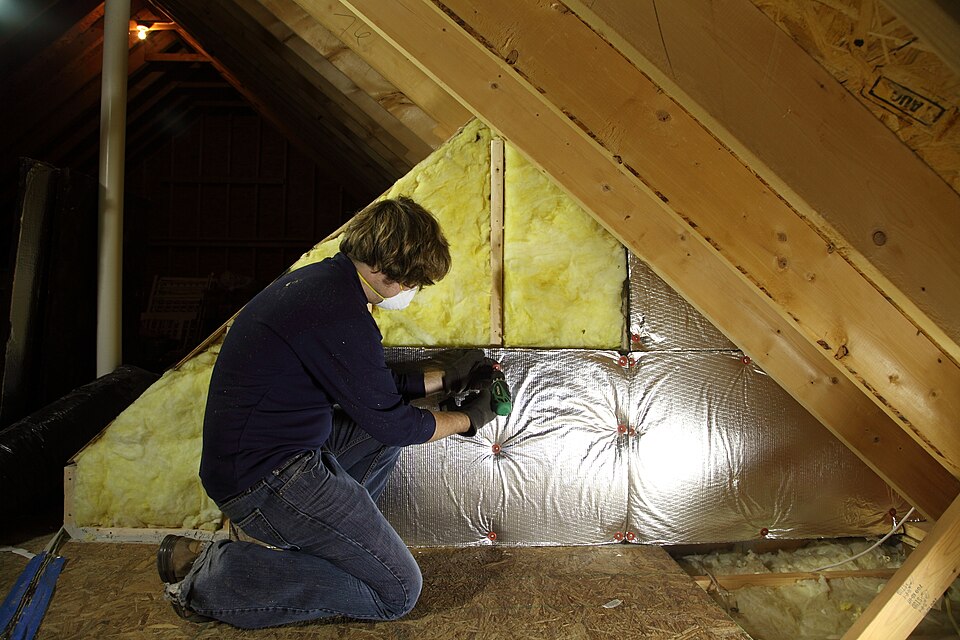
Air sealing and attic insulation: the upgrade that pays back first
New windows get the sales calls. The gaps hidden in your attic floor usually cost you more, and fixing them is cheaper.

How much does it cost to run a space heater?
About 25 cents an hour on high at a typical US rate. Whether that saves money or wastes it depends on what you do with the rest of the house.
Browse by topic
Appliances
One formula turns the watts on a label into dollars on your bill.
Heating & cooling
Turning the heat down at night works, and the reason is simple physics.
Solar
The same panels can pay back in nine years on one roof and never on another.
Insulation
New windows get the sales calls.
Water heating
Many tanks leave the factory at 140°F.
Bills & rates
Most bills split the same kilowatt-hours into half a dozen charges.
Energy advice is full of round numbers and big promises. We would rather show the arithmetic and let you put your own bill into it.
Primary sources
Figures come from the Department of Energy, ENERGY STAR, the EIA and national labs, linked at the end of every guide.
Room for your own numbers
Every estimate names its assumptions, and the calculators let you swap in your own rate, climate and usage.
No paid rankings
Nobody pays to be recommended here. The site runs on display ads, which never decide what we write.