The short version
- Cost = watts × hours ÷ 1,000 × your rate per kWh.
- Anything that makes heat (space heaters, dryers, ovens, water heaters) dominates the bill.
- Chargers, LED bulbs and routers are small. A phone costs about a dollar a year to charge.
- Label watts are a maximum. A $25 plug-in meter tells you what a device really draws.
Your electricity bill is a single number, but it is built from dozens of small decisions: the space heater under the desk, the second fridge in the garage, the dryer that runs every evening. Most people have no idea which of those decisions matters. The good news is that you do not need an energy audit to find out. You need one formula and your latest bill.
The one formula you need
Every appliance has a power rating in watts. Electricity is sold in kilowatt-hours (kWh), which is 1,000 watts running for one hour. So the cost of running anything is:
Watts × hours used ÷ 1,000 × your price per kWh
Take a 1,500-watt space heater running four hours a day. That is 1,500 × 4 ÷ 1,000 = 6 kWh a day. At 17 cents per kWh, a little above the recent US average for homes, it costs about $1.02 a day, or about $31 a month. Run it through a four-month winter and it adds roughly $124 to your bills.
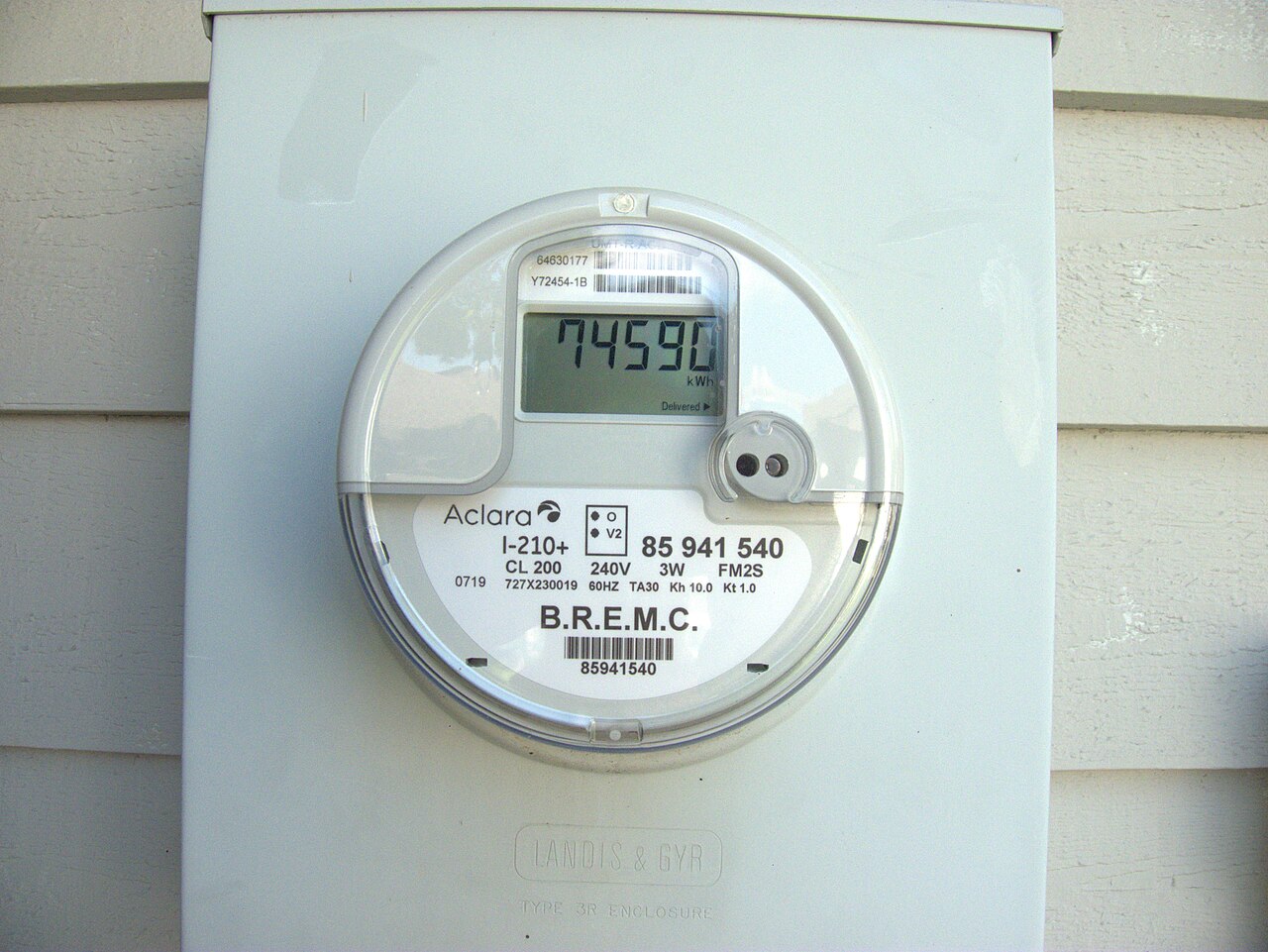
To find your own rate, take the total on your electricity bill and divide it by the kWh you used. That gives you an all-in price that includes delivery charges and fees, which is the number that matters when you are deciding whether to switch something off.
Try it with your own appliances
The calculator below does the arithmetic. Pick an appliance or type the wattage from its label, set the hours, and enter your rate. The bar chart ranks your entry against common household loads at the same price.
Appliance cost calculator
Pick an appliance or type the wattage from its label. Costs assume it runs every day.
What common appliances cost per year
The table uses 17 cents per kWh and typical daily use. Your own numbers will differ, but the ranking rarely changes: things that make heat sit at the top, electronics near the bottom.
| Appliance | Typical use | kWh a year | Cost a year |
|---|---|---|---|
| Space heater, 1,500 W | 4 h/day, 120 days | 720 | $122 |
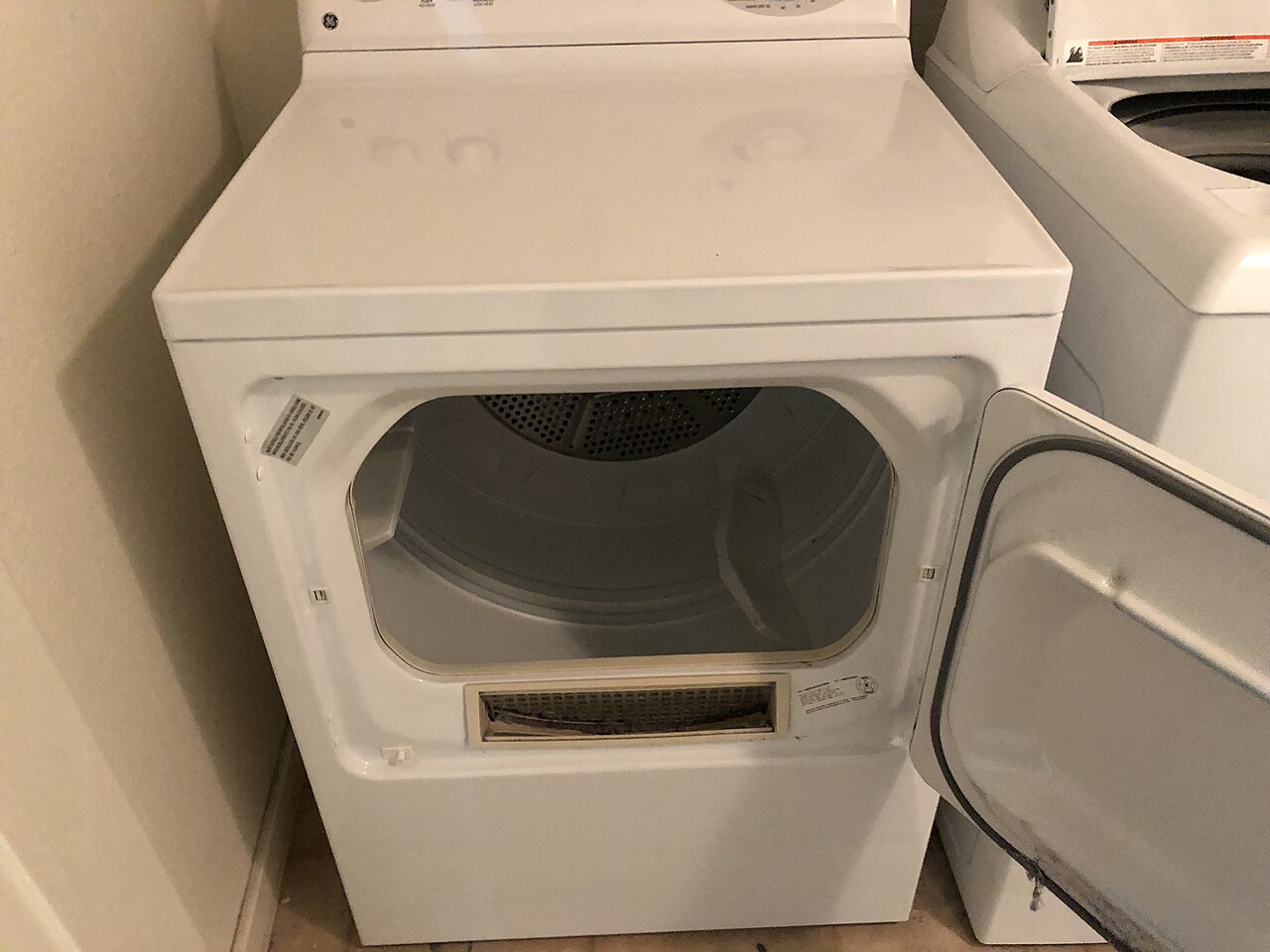
| Electric clothes dryer, 3,000 W | 5 loads a week | 780 | $133 |
| Window air conditioner, 900 W | 6 h/day, 90 days | 486 | $83 |
| Refrigerator, modern | always on | 482 | $82 |
| Gaming PC, 350 W under load | 3 h/day | 383 | $65 |
| 55-inch LED TV, 80 W | 5 h/day | 146 | $25 |
| Electric kettle, 1,500 W | 12 min/day | 110 | $19 |
| Wi-Fi router, 10 W | always on | 88 | $15 |
| LED bulb, 9 W | 5 h/day | 16 | $2.79 |
| Phone charging | one full charge a day | about 6 | about $1 |
The dryer line assumes about 3 kWh per load. The fridge line uses an average draw of 55 watts, because a fridge compressor switches on and off all day rather than running at its rated power.
Why heat is so expensive
Making heat from electricity is a brute-force job. A space heater, a toaster and a hair dryer all push current through a resistor until it glows. A typical household circuit tops out around 1,800 watts, and heat-making appliances tend to use most of it.
Electronics are the opposite. A laptop doing ordinary work draws somewhere in the tens of watts. That is why the advice to unplug your phone charger saves pennies, while turning the space heater down an hour earlier saves real money.
Water is the hidden heat load. According to ENERGY STAR, about 90% of the energy a washing machine uses goes to heating the water, not to turning the drum. Switching to cold washes is one of the few laundry changes that shows up on a bill.
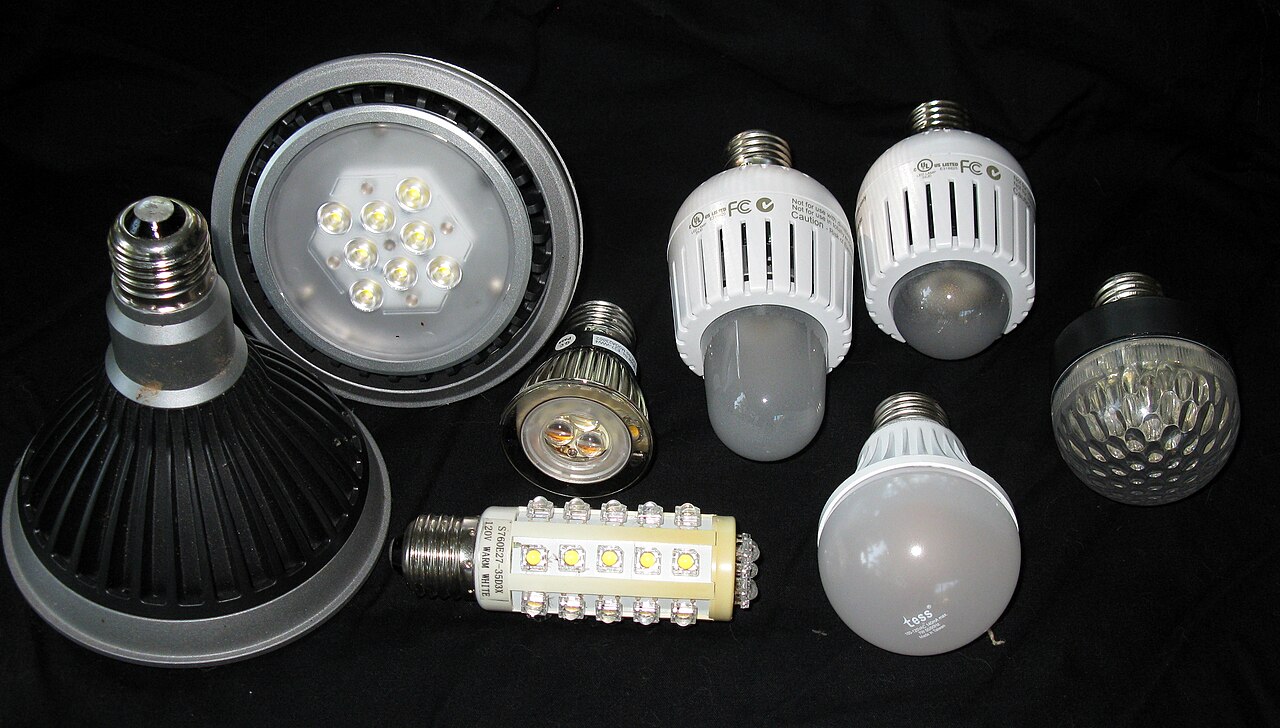
Lighting: the one upgrade that is already done
The Department of Energy says LED bulbs use at least 75% less energy than incandescent bulbs and can last up to 25 times longer. A 60-watt incandescent on for five hours a day costs about $18.60 a year at 17 cents. The 9-watt LED that replaces it costs $2.79.
If your home still has a few incandescent or halogen bulbs in heavily used spots, swapping them is worth doing today. If it is already all LED, lighting is no longer a meaningful part of your bill and you can stop thinking about it.
Label watts versus real watts
The number on the label is the maximum the device is designed to draw. Many appliances run below it most of the time. A fridge cycles. A TV draws less on a dark scene. A gaming PC idles at a fraction of its peak.
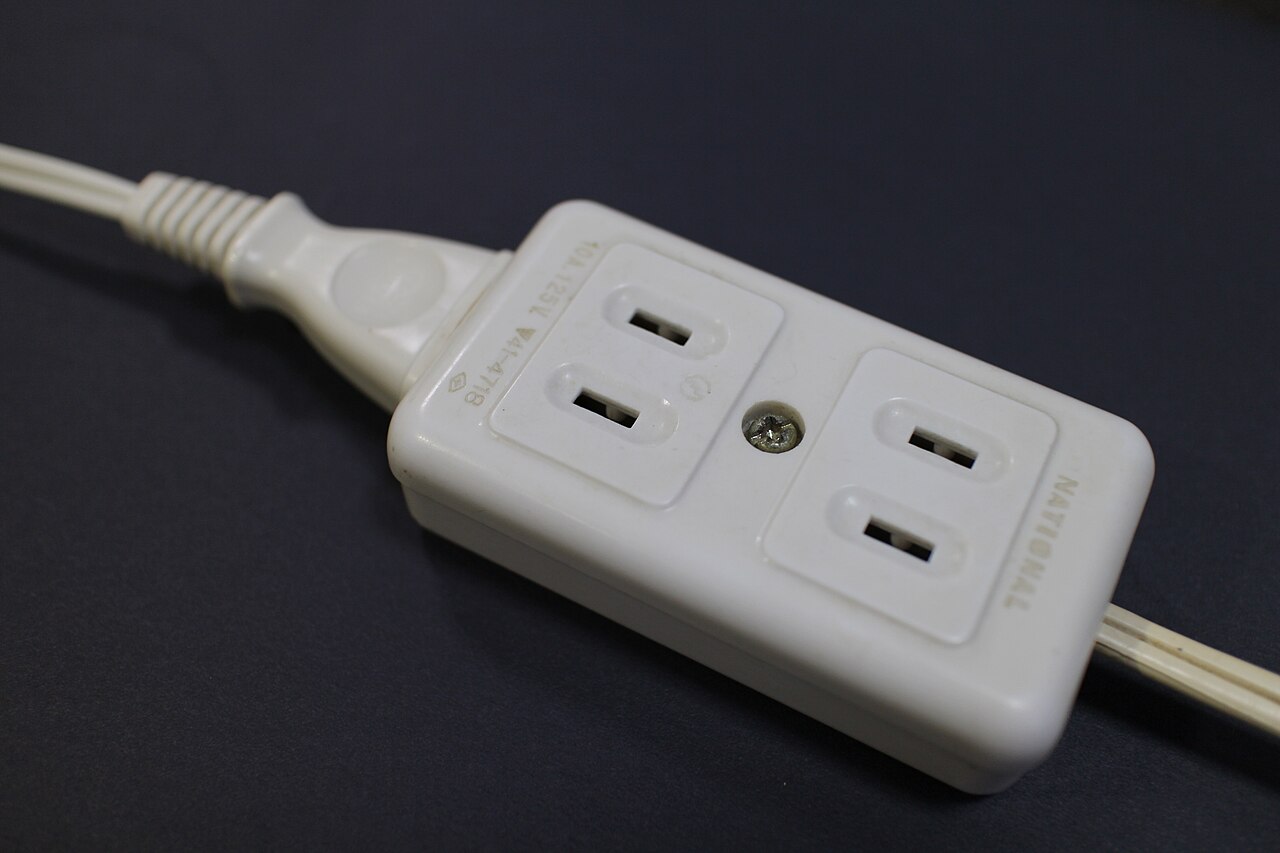
A plug-in watt meter, which costs about as much as a takeout lunch, sits between the plug and the outlet and shows the real draw. Leave it on a device for a day or a week and it reports total kWh, which is the most accurate number you can put into the formula.
Where the real savings are
Once you have run the numbers on a few devices, a pattern shows up. The changes that matter are usually these:
- Heating and cooling settings. A few degrees on the thermostat outweighs every gadget in the house. Our thermostat guide has the details.
- Hot water. Cold-water laundry, shorter showers and a water heater set to 120°F all cut the largest heat load most homes have after space heating.
- Old second fridges and freezers. A unit from the 1990s in a hot garage can use far more than a new one. Measure it before deciding.
- Always-on devices. Individually tiny, together they can run all year. See what standby power costs.
And the changes that rarely matter: unplugging chargers, switching off LED lights for a minute, or worrying about the microwave clock. Those cost cents a year. They are fine habits, but they will not move your bill.
A note on time-of-use rates
More utilities are moving homes to time-of-use plans, where electricity costs more in the late afternoon and evening. On those plans the formula still works, but the rate depends on the hour. Running the dryer or the dishwasher after the peak window ends can cut the cost of each load without using any less energy. Your bill or online account will show the name of your plan and its peak hours.
Questions people ask
How do I find out how many watts an appliance uses?
Look for the rating label on the back or underside, or in the manual. If it lists only volts and amps, multiply them: 120 volts × 10 amps is 1,200 watts. That figure is the maximum, so a plug-in watt meter gives a truer number for devices that cycle, like fridges and TVs.
Is it cheaper to run appliances at night?
Only if your utility charges time-of-use rates. On a flat rate a kilowatt-hour costs the same at 3 a.m. as at 3 p.m. Check your bill or your utility account for the name of your rate plan.
What uses the most electricity in a typical home?
Heating and cooling, followed by water heating in homes with an electric water heater. After those come appliances that make heat, like dryers and ovens. Electronics and lighting are a much smaller share than most people expect.
Sources
Numbers on this page are estimates built on the stated assumptions. Your rates, climate and home will change them, so plug in your own figures. Nothing here is financial or professional advice.