The short version
- Power in kW ≈ capacity in BTU per hour ÷ EER ÷ 1,000.
- A 3-ton (36,000 BTU) system with an EER of about 11.5 draws about 3.1 kW: roughly $0.53 an hour at 17 cents.
- ENERGY STAR says a typical duct system loses 20 to 30% of its air through leaks.
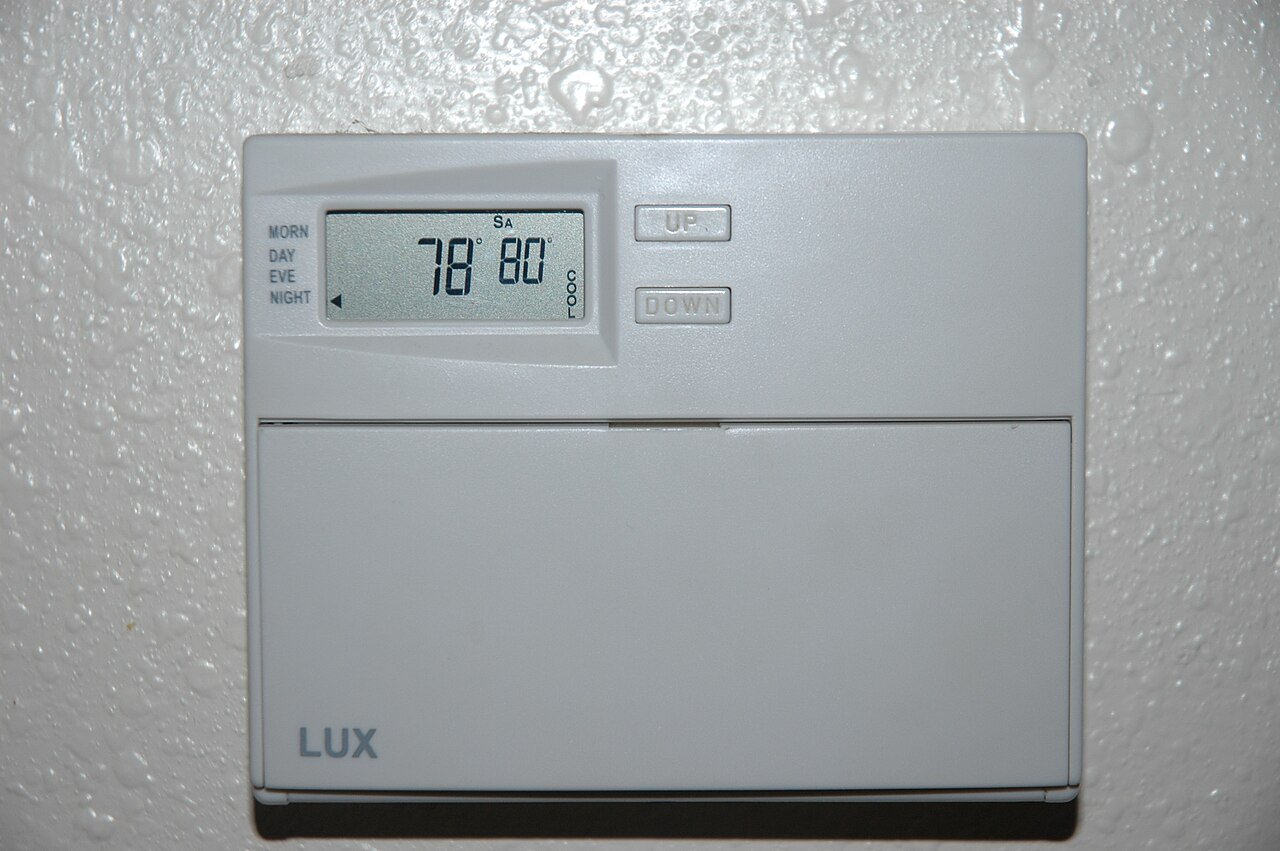
- 78°F when home, higher when away, and a ceiling fan let you cut cooling cost without much discomfort.
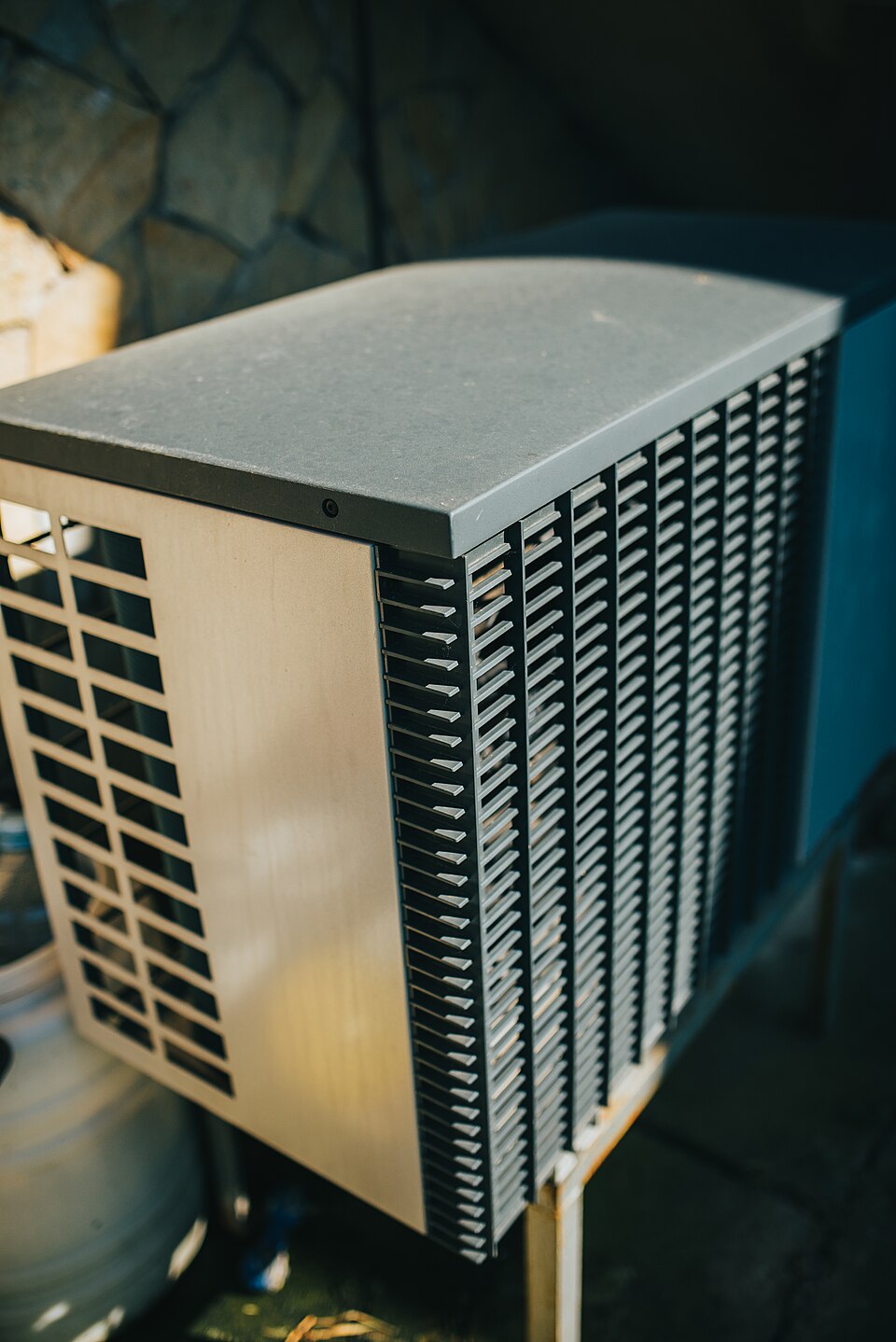
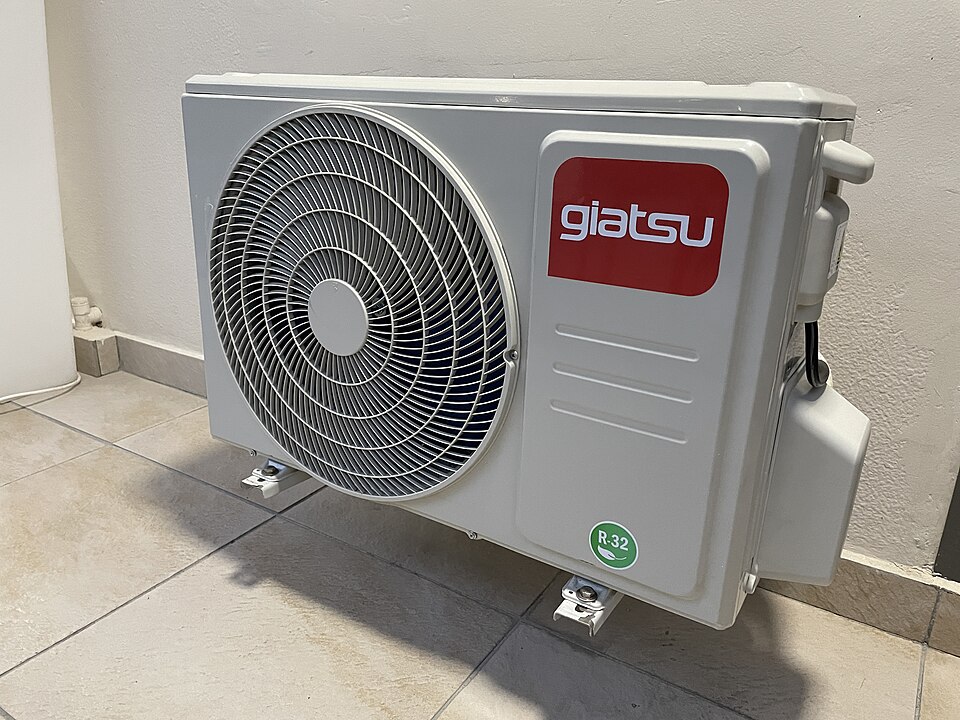
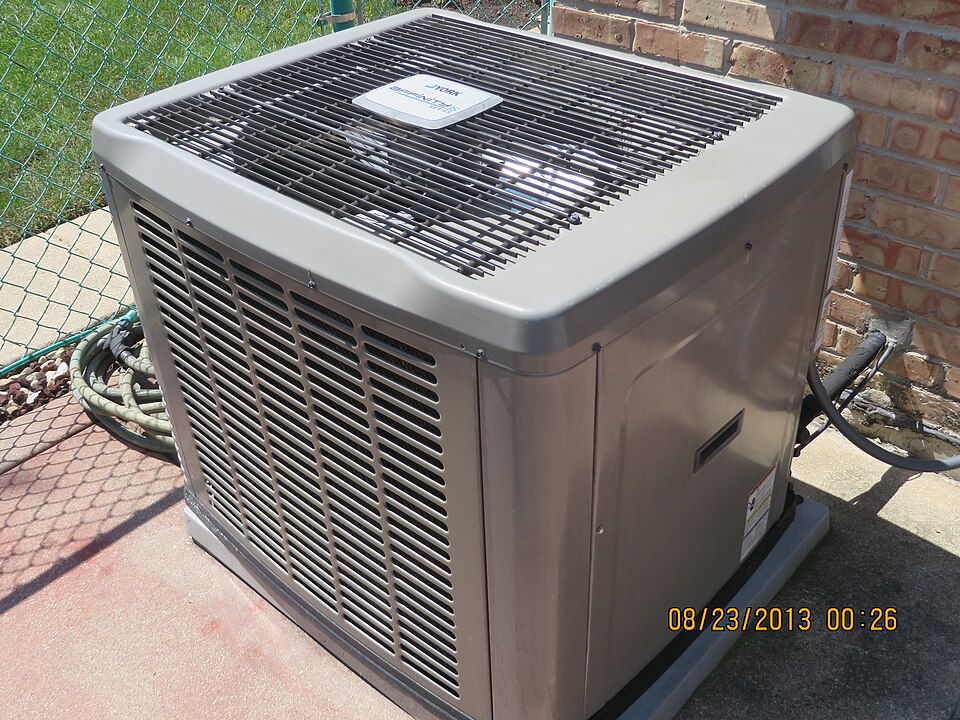
Summer electricity bills in much of the US are driven by one machine: the outdoor unit humming beside the house. Unlike a toaster, it does not have a single wattage printed on it that you can multiply out. But two numbers on the nameplate or in the manual get you most of the way.
Find your system's size and efficiency
Air conditioners are sized in tons. One ton of cooling is 12,000 BTU per hour, so a 3-ton system moves 36,000 BTU of heat out of the house every hour it runs. The model number often hides the size: a "36" in the middle of it usually means 36,000 BTU.
Efficiency comes as SEER2 (a seasonal average) and EER2 (efficiency at a hot test condition). If you only know the SEER2, an EER around 11 to 12 is a fair guess for a typical modern system. Then:
kW used ≈ BTU per hour ÷ EER ÷ 1,000
A 3-ton system at an EER of 11.5 draws about 36,000 ÷ 11.5 ÷ 1,000 = 3.1 kW. Multiply by your electricity rate and you have the cost of an hour of runtime.
Typical costs by system size
| System | Approx. draw | Per hour | 8 h a day for 90 days |
|---|---|---|---|
| 2 ton (24,000 BTU) | 2.1 kW | $0.35 | $256 |
| 3 ton (36,000 BTU) | 3.1 kW | $0.53 | $383 |
| 4 ton (48,000 BTU) | 4.2 kW | $0.71 | $511 |
| 5 ton (60,000 BTU) | 5.2 kW | $0.89 | $639 |
The figures assume an EER of 11.5 and 17 cents per kWh. "8 hours a day" means compressor runtime, not the hours the thermostat is set to cool. An older system with an EER of 8 or 9 can cost 30% or more above these numbers. The indoor blower adds a little on top.
The leak you cannot see: ductwork
ENERGY STAR says that in a typical house, about 20 to 30% of the air moving through the duct system is lost to leaks, holes and poorly connected ducts. When those ducts run through a hot attic, you are paying to cool air and then dumping it into the hottest part of the house.
Signs of duct trouble include rooms that never cool properly, high bills in summer and winter, and lots of dust. Sealing joints with mastic or foil tape (not cloth duct tape, which fails) and insulating ducts in unconditioned spaces is one of the more effective cooling upgrades. A contractor can test duct leakage. Exposed ducts in a basement or attic you can reach are a reasonable DIY job.
Settings that lower the bill
- 78°F when you are home and need cooling, as the Department of Energy suggests, and higher when you are out.
- Use a ceiling fan. The DOE says a fan lets most people raise the thermostat about 4°F with no loss of comfort. See whether ceiling fans save money.
- Set the fan to "auto", not "on". Running the blower nonstop costs electricity and can blow moisture back off the coil, making the house feel muggier.
- Close blinds on sun-facing windows during the hottest part of the day.
- Skip the oven on hot afternoons. Every bit of heat you make indoors is heat the AC has to remove.
Maintenance that pays
A dirty filter restricts airflow and makes the system work longer. Check it monthly in peak season and replace it when it looks grey. Keep the outdoor unit clear of leaves, grass clippings and shrubs, with a couple of feet of open space around it. If a system that used to keep up now runs nonstop on moderate days, have a technician check refrigerant charge and airflow before the next heat wave.
When to think about replacing it
If your system is more than 15 years old, uses R-22 refrigerant, or needs a major repair, compare the cost of the repair against a new system's running cost. A heat pump replaces an air conditioner one for one and adds efficient heating, which changes the math in many homes. Our guides to heat pumps and mini-splits versus ducted systems walk through the options.
Questions people ask
How many hours a day does central air run?
It depends on the weather, the size of the system and the house. On a hot afternoon a properly sized system may run most of the time; on a mild day only a few hours. A smart thermostat or your utility's hourly data shows your real runtime.
Is it cheaper to leave the AC on all day?
Usually not. A warmer house gains heat more slowly, so letting it drift up while you are out and cooling it down later uses less energy overall. Very long, very deep setbacks in humid climates can leave the house feeling clammy, so a moderate setback works best.
What is the difference between SEER2 and EER2?
SEER2 is a seasonal average across a range of outdoor temperatures. EER2 is efficiency at a single hot test condition, which is closer to what the system does on a peak afternoon. For an hourly cost estimate on a hot day, EER is the better number.
Sources
Numbers on this page are estimates built on the stated assumptions. Your rates, climate and home will change them, so plug in your own figures. Nothing here is financial or professional advice.