The short version
- Against electric baseboard, oil or propane, a heat pump usually wins on running cost.
- Against cheap natural gas it can be close. The ratio of your electricity price to your gas price decides it.
- Cold-climate models keep heating well below freezing. Check the rated output at your design temperature.
- The federal heat pump tax credit ended for systems installed after 2025. State and utility rebates still exist in many places.
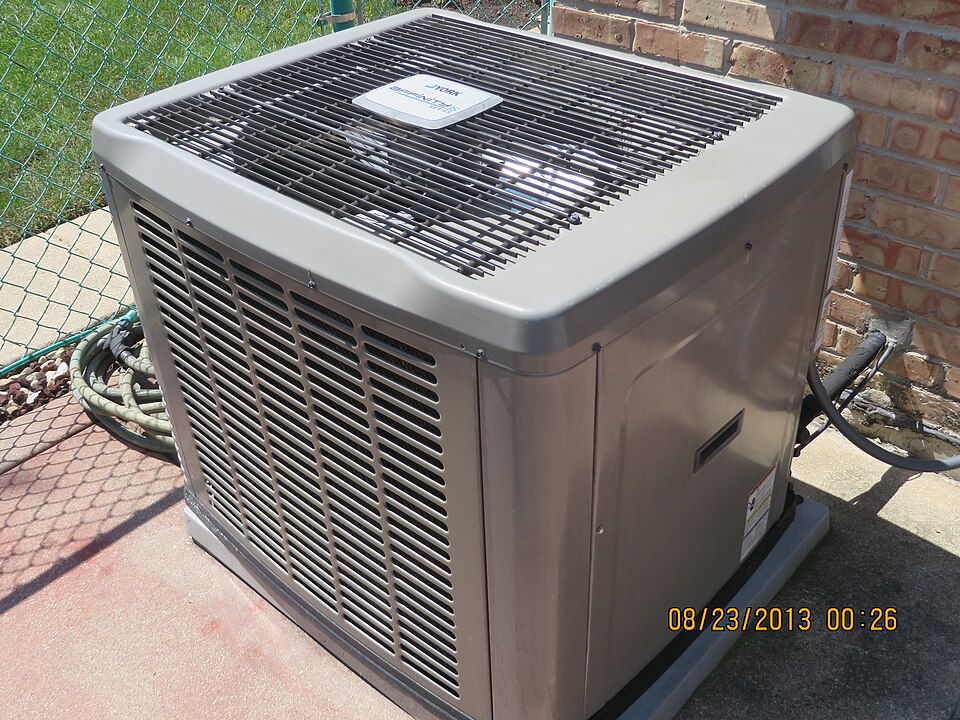
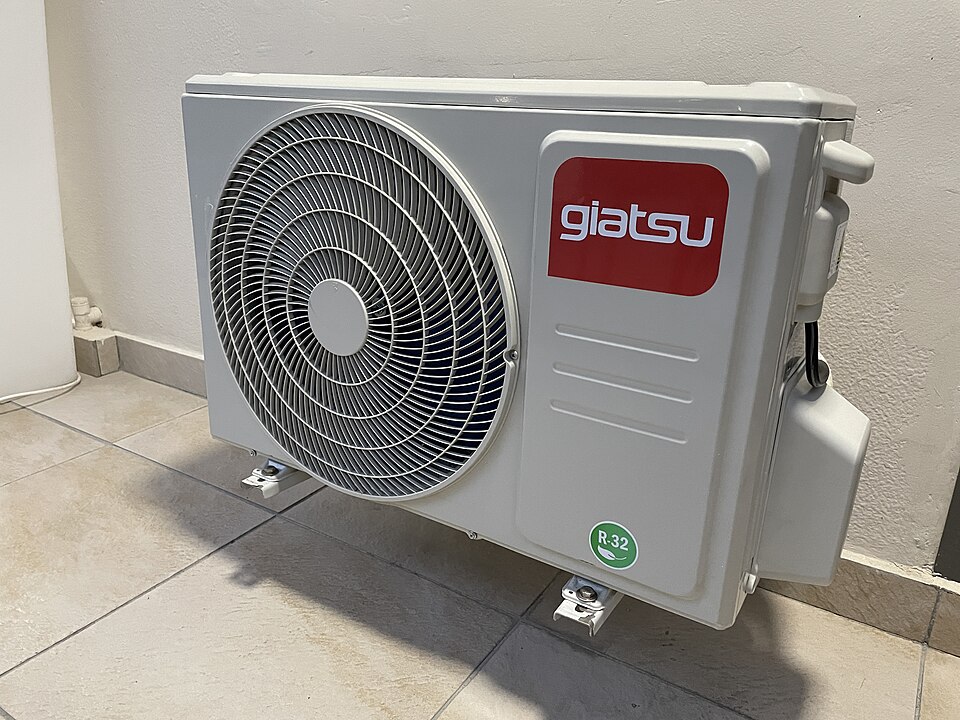
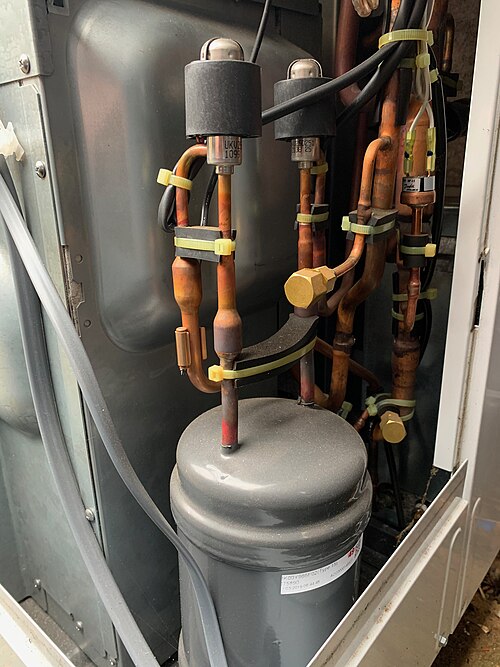
A furnace makes heat by burning fuel. A baseboard heater makes it by pushing current through a wire. A heat pump does neither. It collects heat that already exists in the outdoor air, even cold air, and pumps it inside, the same way your fridge pumps heat out of its interior and into your kitchen. Moving heat takes far less energy than making it, and that single fact explains why heat pumps are everywhere in energy policy right now.
How a heat pump turns 1 kWh into 3
Efficiency for a heat pump is measured as the coefficient of performance, or COP: units of heat delivered for each unit of electricity used. An electric baseboard heater has a COP of 1. Every kWh in becomes a kWh of heat. An air-source heat pump commonly runs at a COP between 2 and 4, depending on the model and how cold it is outside.
The Department of Energy says that, compared with electric resistance heating such as furnaces and baseboard heaters, a heat pump can cut the electricity used for heating by about 50%. Against oil and propane the comparison is usually just as clear. Against natural gas, it depends on prices.
The ratio that decides it
Here is what one therm of heat delivered into your home costs (a therm is 100,000 BTU, about 29.3 kWh), using round prices as an example. Swap in your own, because local prices swing a lot.
| Heat source | Example price | Efficiency | Cost per therm delivered |
|---|---|---|---|
| Natural gas furnace | $1.50 per therm | 90% | $1.67 |
| Heat pump | 17¢ per kWh | COP 2.8 | $1.78 |
| Heat pump, mild climate | 17¢ per kWh | COP 3.5 | $1.42 |
| Propane furnace | $2.75 per gallon | 90% | $3.34 |
| Heating oil boiler | $4.00 per gallon | 85% | $3.40 |
| Electric baseboard | 17¢ per kWh | 100% | $4.98 |
The pattern is plain. If you heat with oil, propane or electric resistance, a heat pump will very likely cut your heating cost substantially. If you heat with natural gas, it comes down to your electricity price divided by your gas price, and to the COP your climate allows. In cheap-electricity areas it wins. Where electricity is expensive and gas is cheap, running costs can come out about even or a little higher.
Run it with your own bill
This calculator starts from what you pay for gas heat now, works out how much heat your home actually uses, and prices the same heat from a heat pump. Try a COP of about 2.5 for a cold northern winter, about 3 for a moderate climate and 3.5 or more for a mild one.
Gas furnace vs heat pump
Starts from what you pay for gas heat today and works out what the same heat costs from a heat pump.
COP is heat out per unit of electricity in, averaged over the season. Colder climates sit lower, mild ones higher.
With the default numbers, a $1,100 gas heating bill becomes about $1,174 with a heat pump, slightly more. Drop the electricity rate to 14 cents and raise the COP to 3.2, as you might in a milder region, and the same home pays about $846, a saving of around $250 a year. The answer genuinely changes with the inputs, which is why a single national figure tells you very little.
Cold climates: what has changed
Older heat pumps earned a reputation for blowing lukewarm air in a hard frost. Cold-climate models have changed that. They use variable-speed compressors that keep producing useful heat well below freezing, and many are rated to keep running at around -13°F (-25°C) or lower.
What matters for you is the capacity at your local design temperature, the coldest temperature your system is expected to handle. The Northeast Energy Efficiency Partnerships keeps a public list of cold-climate models with their output at 5°F. A good installer will size the system with a room-by-room load calculation, known as a Manual J, rather than by matching the size of your old furnace.
Many cold-climate homes keep the existing furnace as a backup for the coldest days. This is called a dual-fuel or hybrid setup, and it lets the heat pump do the bulk of the heating while gas covers the few nights when it would be least efficient.
What it costs to install
Installation prices vary more than almost any other home upgrade. A single ductless mini-split for one room is a very different job from a whole-house ducted system that needs new ductwork or an electrical panel upgrade. Get at least three quotes, and ask each installer for the load calculation, the model's rated capacity at your design temperature, and what backup heat is included.
The economics improve sharply in two situations. The first is when your air conditioner is near the end of its life, because the heat pump replaces it, so you are comparing against the cost of a new AC rather than against nothing. The second is new construction or a major renovation, when ducts and wiring are being touched anyway.
Incentives in 2026
The federal energy efficient home improvement credit, which covered up to $2,000 of heat pump costs, ended for equipment placed in service after December 31, 2025. If you installed in 2025, you may still claim it on that year's return.
That does not mean there is no help left. Many states and utilities run their own rebate programs, and some offer special electricity rates for homes that heat with a heat pump. DSIRE, run by NC State University, lists programs by ZIP code. Your state energy office and your utility's website are the other two places to check.
Is a heat pump worth it for you?
Very likely yes if you heat with oil, propane or electric baseboard, if your AC needs replacing, or if you live in a mild or moderate climate. It is a closer call, and worth running through the calculator, if you have cheap natural gas, expensive electricity and a furnace with years left in it. In that case it may make sense to wait until the furnace or the AC fails, and plan the switch before you are shopping in an emergency.
Whatever you choose, sealing and insulating first makes any system cheaper to run and lets you buy a smaller one. Our guide to air sealing and attic insulation covers that step, and the thermostat guide explains how to set up a heat pump so its backup heat stays off.
Questions people ask
Do heat pumps work in cold climates?
Modern cold-climate heat pumps are designed to keep heating well below freezing, with many models rated to run at around -13°F (-25°C) or lower. Their efficiency drops as it gets colder, so the system is sized for your local design temperature, and many installs keep a backup heat source for the coldest days.
How long do heat pumps last?
Roughly as long as a central air conditioner, commonly around 15 years, depending on climate, installation quality and maintenance. Yearly filter changes and keeping the outdoor unit clear of snow and debris help.
Will a heat pump also cool my house?
Yes. A heat pump is an air conditioner that can run in reverse, so one system handles both heating and cooling. That matters for the economics if your air conditioner is due for replacement anyway.
Is there still a federal tax credit for heat pumps?
The federal energy efficient home improvement credit, which covered heat pumps, ended for equipment placed in service after December 31, 2025. Some states and utilities still offer rebates. DSIRE lists programs by state.
Sources
Numbers on this page are estimates built on the stated assumptions. Your rates, climate and home will change them, so plug in your own figures. Nothing here is financial or professional advice.