The short version
- Every watt drawn all year costs about $1.50 at 17 cents per kWh.
- Worth it: set-top boxes, consoles in instant-on mode, AV receivers, desktop PCs that never sleep.
- Not worth it: phone chargers, microwaves, LED night lights.
- Never unplug: fridges, freezers, medical devices, security systems and wired alarms.
"Unplug things you're not using" is the most repeated energy tip there is. It is also one of the least useful when applied to everything. Some devices draw so little when idle that unplugging them saves less than a dollar a year. Others quietly cost $20, $50 or more. The trick is knowing which is which.
The one number that sorts it out
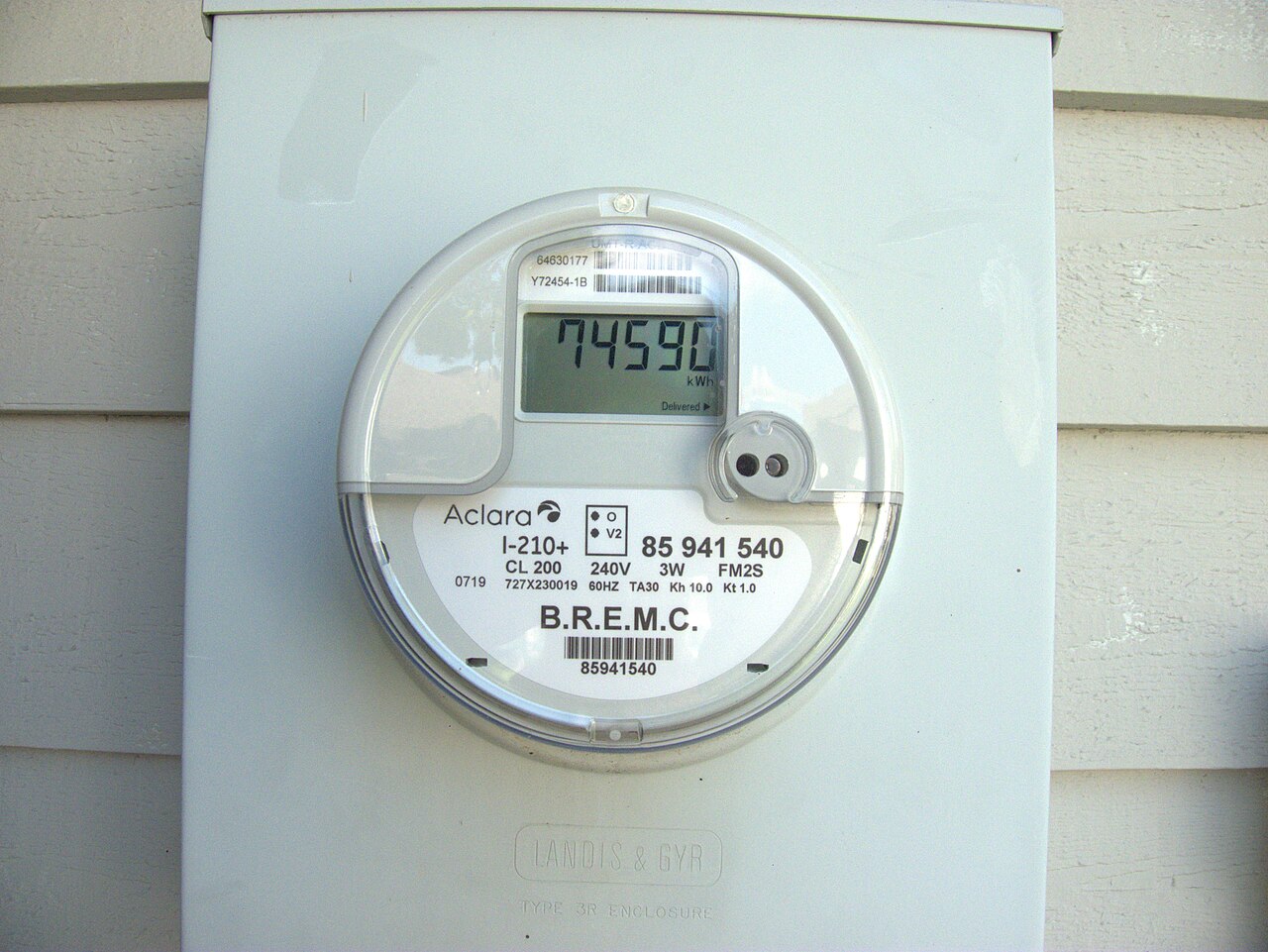
A device drawing power around the clock uses 8.76 kWh a year for every watt. At 17 cents per kWh, that is about $1.50 a year per watt. So a device idling at half a watt costs 75 cents a year. One idling at 20 watts costs about $30. Our full guide to phantom power explains how to measure your whole home's baseline.
Worth switching off
- Cable and satellite boxes, especially with DVRs. Many stay fully awake around the clock. These are often the biggest standby users in a living room.
- Game consoles in instant-on or rest mode. Switch to the energy-saving power mode in settings. You give up a few seconds of startup time.
- AV receivers, soundbars and powered subwoofers left on or in network standby.
- Desktop computers and monitors that never sleep. Setting sleep after 15–30 minutes of idle does most of the work.
- Printers on network standby, especially older inkjets.
- Old second fridges and freezers. Not standby, but often the single largest forgotten load. If the garage beer fridge is from the 1990s, measure it for a day.
Not worth the effort
- Phone and laptop chargers with nothing attached: typically well under half a watt.
- Microwaves and ovens: a watt or two for the clock.
- LED night lights: under a watt.
- Coffee makers without a warming plate or clock.
- Lamps that are switched off at their own switch: essentially zero.
Unplugging these is not harmful, but it will not show up on your bill.
Never unplug these
- Refrigerators and freezers in use.
- Medical equipment, such as oxygen concentrators or CPAP machines.
- Security systems, wired smoke and carbon monoxide alarms, and sump pumps.
- Usually your router and modem, which other devices depend on.
- Devices that need to stay powered to receive updates or keep settings, unless the manual says otherwise.
Easier than pulling plugs
Reaching behind the TV cabinet every night is a habit nobody keeps. These do the same job:
- Change the power settings. Turn off instant-on, quick start and network standby where you don't need them.
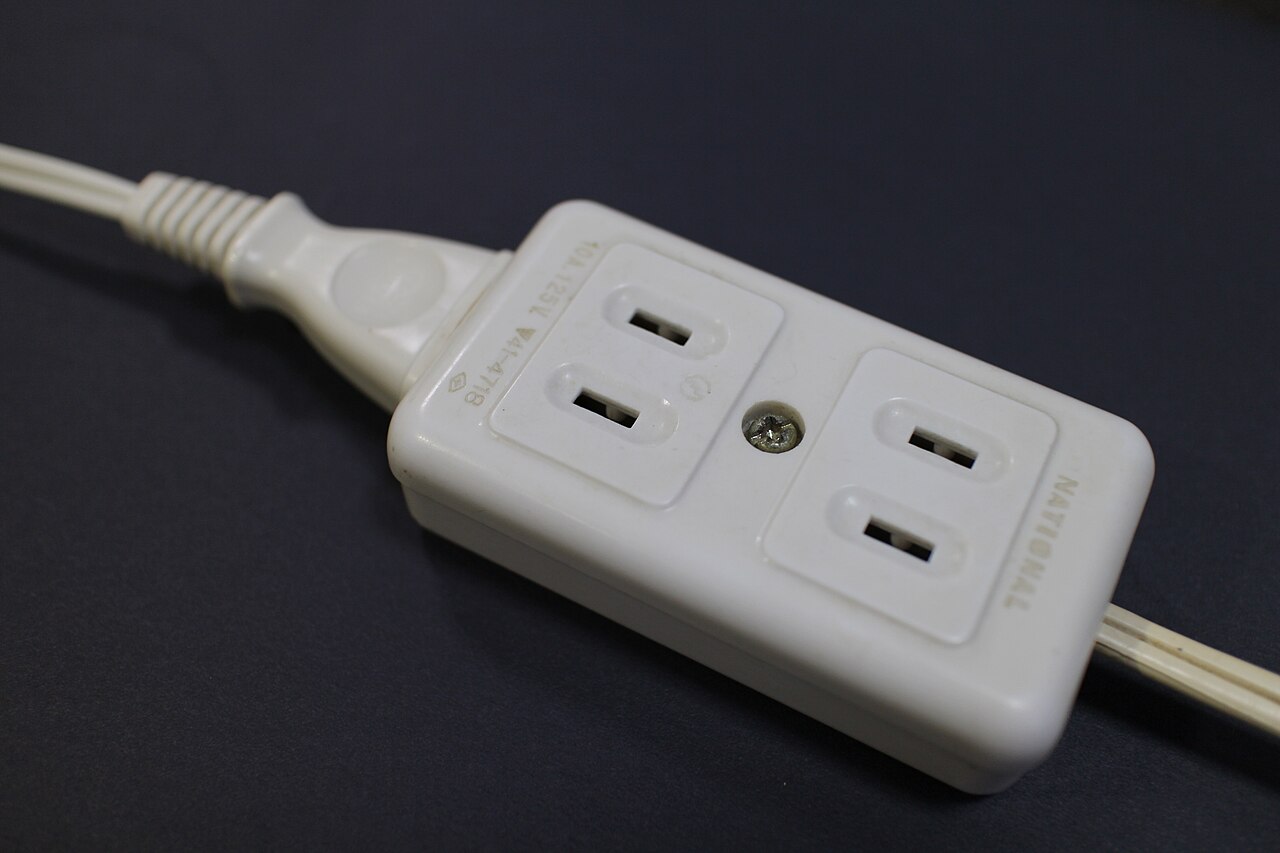
- Advanced power strips. When the TV turns off, the strip cuts power to the console, soundbar and streaming box plugged into its controlled outlets.
- A switched strip within reach for the home office: one click turns off the monitor, speakers and printer at the end of the day.
- Smart plugs on a schedule for things that only need power at certain hours. Note that a smart plug draws a little power itself, so use it on loads larger than its own standby.
How to check any device
A plug-in watt meter answers the question in seconds. Plug the device in through the meter, switch it off the way you normally leave it, and read the watts. Multiply by $1.50 for the yearly cost at 17 cents per kWh, or use the standby calculator with your own rate. Anything under a watt, leave alone. Anything over 10 watts, deal with.
Questions people ask
Do phone chargers use electricity when nothing is plugged in?
A little. Modern chargers typically draw well under half a watt with no phone attached, which works out to well under a dollar a year. Unplugging them is harmless, but it barely moves the bill.
Does a TV use power when turned off?
Yes, a small amount in standby so it can respond to the remote and update. Modern TVs are usually low, but 'quick start' or network standby features can raise it. Turning those features off in the settings has the same effect as unplugging.
Is it safe to unplug a microwave or oven?
Yes, but there is little point. Their standby draw is mostly the clock, a watt or two. Reaching behind a heavy appliance to pull its plug is more trouble, and more risk, than it saves.
Sources
Numbers on this page are estimates built on the stated assumptions. Your rates, climate and home will change them, so plug in your own figures. Nothing here is financial or professional advice.