The short version
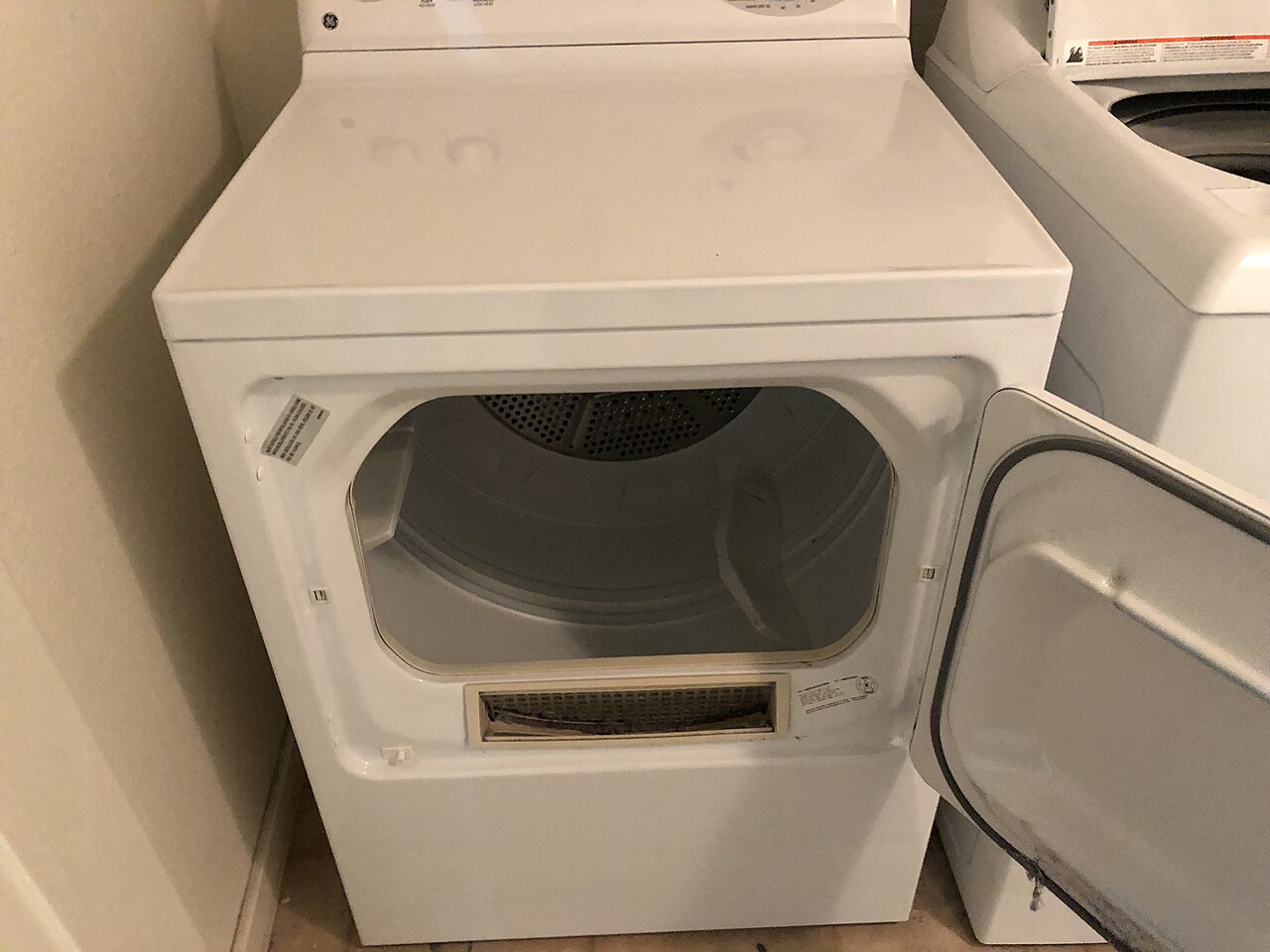
- Electric dryer: about 3 kWh a load, roughly $0.51 at 17 cents.
- Gas dryer: roughly 0.18 therm of gas plus a little electricity, about $0.32 a load at $1.50 per therm.
- Heat pump dryers use considerably less energy but take longer per load.
- A faster spin, a clean lint filter and a clear vent cut drying time for free.
The clothes dryer is one of the hungriest appliances in an American home. It does one job, turning water into vapor, and that takes a lot of heat. Where that heat comes from, and how much water is left in the clothes when they go in, decides what each load costs.
Cost per load, side by side
| Dryer type | Energy per load | Cost per load | 260 loads a year |
|---|---|---|---|
| Electric, standard | about 3 kWh | $0.51 | $133 |
| Gas | about 0.18 therm + 0.3 kWh | $0.32 | $83 |
The table uses 17 cents per kWh and $1.50 per therm of gas, and about five loads a week. Real loads vary widely: a small load of synthetics might need half the energy of a full load of towels. To check yours, put 3,000 watts and your drying time into the calculator.
Appliance cost calculator
Pick an appliance or type the wattage from its label. Costs assume it runs every day.
Heat pump dryers
A heat pump dryer recycles the heat in its own exhaust instead of venting hot, moist air outside. That lets it dry clothes using considerably less energy than a standard electric dryer, and many models need no outside vent at all, which suits apartments and closets. ENERGY STAR certifies both types and lists efficient models.
The trade-offs are a higher purchase price and longer cycles, often well over an hour for a full load. If you run several loads back to back on weekends, the longer cycle matters. If you do a load or two a day, it rarely does.
Free ways to cut drying cost
Spin it harder
Every bit of water the washer spins out is water the dryer does not have to boil off. Use the highest spin speed the fabric allows. A front-loader on a fast spin leaves clothes noticeably drier than a top-loader on a gentle one.
Use the moisture sensor
A sensor-dry or "automatic" cycle stops when the clothes are dry. A timed cycle keeps going whether they are or not. Over-drying wastes energy and wears out fabric.
Clean the lint filter every load
A clogged filter restricts airflow and stretches drying time. If you use dryer sheets, wash the filter screen with warm soapy water now and then, since the residue can block the mesh even when it looks clean.
Dry full loads, back to back
A dryer that is already warm needs less energy to get the next load going. Very small loads waste heat. Very large loads tumble poorly and take longer.
Hang some things
A drying rack for heavy items like jeans and towels, or a line outside in summer, takes the biggest loads off the dryer entirely.
The vent check most homes skip
A clogged or crushed vent makes every load take longer, and it is a fire hazard. The US Fire Administration notes that failure to clean dryers is a leading cause of dryer fires. Signs of trouble: clothes taking more than one cycle to dry, the outside of the dryer getting very hot, a burning smell, or the outside vent flap not opening while the dryer runs.
Clean the vent duct at least once a year, more if it is long. Replace thin foil or plastic flexible ducts with rigid or semi-rigid metal, and keep the run as short and straight as possible.
So which should you buy?
If you already have a gas line and vent where the dryer goes, a gas dryer will usually cost less to run. If you only have a 240-volt outlet, a standard electric dryer is the simple choice, and a heat pump dryer is worth pricing if you do a lot of laundry or cannot vent outside. Whatever you choose, the washer's spin speed and the state of the vent affect your bill as much as the fuel does. While you are in the laundry room, switching to cold-water washes is the other big saver: ENERGY STAR says about 90% of a washer's energy goes to heating water. More in our guide to what appliances cost to run.
Questions people ask
Is a gas dryer cheaper to run than an electric dryer?
In most of the US, yes, because natural gas usually costs less per unit of heat than electricity. The gap is a few hundred dollars over the life of the dryer, not a fortune, and gas dryers cost more to buy and need a gas line and vent.
How much electricity does a dryer use per load?
A typical electric dryer uses somewhere around 2 to 4 kWh per load depending on the load size, fabric and settings. Heavy cottons on high heat sit at the top of that range.
Can I convert an electric dryer to gas?
No. They are different machines. Switching means buying a gas dryer and having a gas line and proper vent installed by a qualified installer.
Sources
Numbers on this page are estimates built on the stated assumptions. Your rates, climate and home will change them, so plug in your own figures. Nothing here is financial or professional advice.