The short version
- Your real price per kWh is the total bill divided by the kWh you used.
- Supply (or generation) is the electricity itself. Delivery (or distribution) is the cost of getting it to you.
- The fixed customer charge is paid even if you use nothing, so it cannot be saved by using less.
- The average US home uses roughly 850–900 kWh a month, per the EIA. Compare your usage to the same month last year.
An electric bill looks like it was designed to be skimmed. A big number at the top, a due date, and a page of small print most people never read. That small print is worth ten minutes once, because it tells you exactly which parts of the bill you can change and which you can't.
Utilities name things differently, but nearly every US residential bill has the same building blocks.
1. Usage in kWh
The core number: how many kilowatt-hours you used in the billing period, usually shown as a meter reading at the start and end, and the difference. A kilowatt-hour is 1,000 watts for one hour. Most bills also show a bar chart of the last 12 or 13 months, which is the most useful graphic on the page. Compare this month to the same month last year, not to last month. Seasons swing usage far more than habits do.
For a sense of scale, the EIA puts the average US home at roughly 850 to 900 kWh a month, with big regional differences. Homes in the hot South with electric heat and cooling use much more than homes in mild coastal areas with gas heat.
2. Supply or generation charge
This is the electricity itself, charged per kWh. It may be called supply, generation, energy charge or power supply. In states with retail choice, this is the part a competing supplier can sell you.
3. Delivery or distribution charge
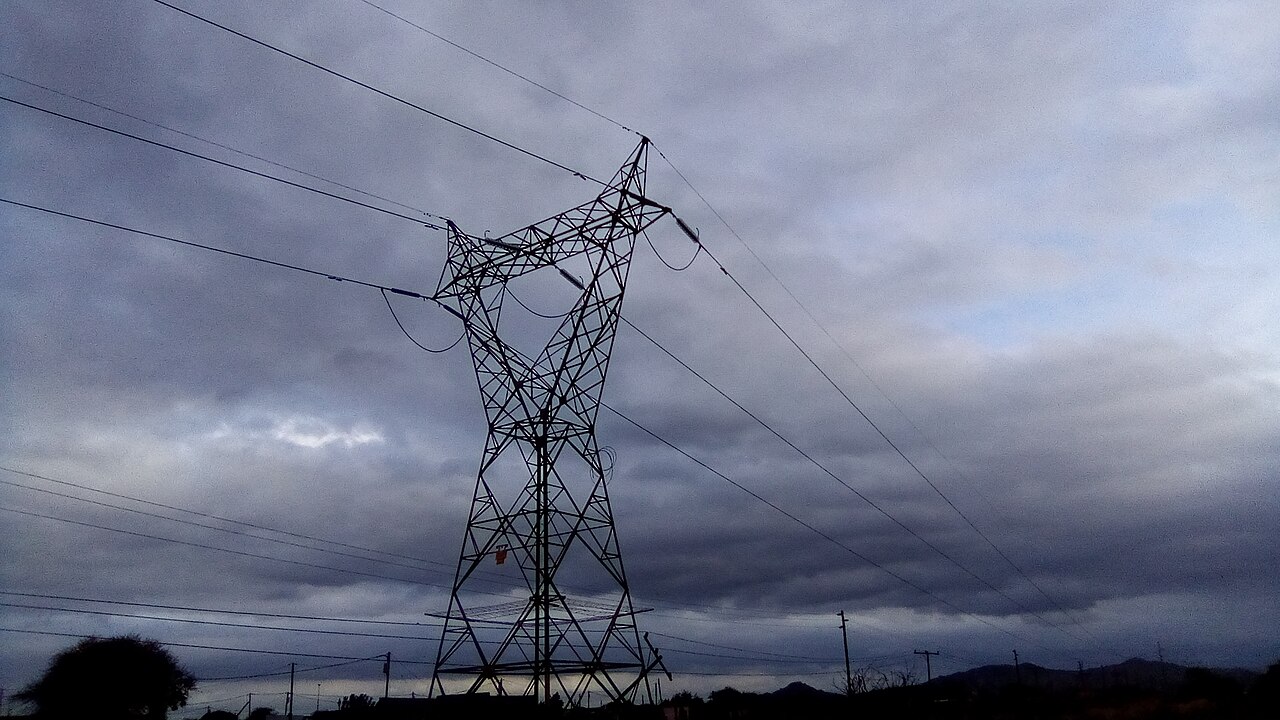
The cost of getting power to your house: transmission lines, local wires, transformers, maintenance and storm recovery. Usually charged per kWh and sometimes split into transmission and distribution lines. In many areas delivery is as large as supply, or larger.
4. Fixed customer or service charge
A flat monthly fee, often somewhere between a few dollars and $20 or more, that you pay even if you use no electricity. It covers metering, billing and connecting your home. Using less does not reduce it, which is worth knowing when you calculate what a saving is really worth.
5. Tiers, seasons and time of use
Some rates are not flat:
- Tiered rates charge a lower price for the first block of kWh and a higher price above it. Cutting usage saves at the top tier price.
- Seasonal rates charge more in summer, when demand for air conditioning peaks.
- Time-of-use rates charge more during peak hours, usually late afternoon and evening. Our time-of-use guide explains how to use them to your advantage.
The name of your rate plan is printed on the bill. Search it on your utility's website to see its exact prices and hours.
6. Riders, adjustments and taxes
The smaller lines: fuel cost adjustments that pass changing power plant fuel prices through to you, charges for efficiency programs, storm recovery, nuclear decommissioning, renewable energy standards, and state and local taxes. Each looks small. Together they can add a noticeable share.
Find your real price per kWh
This is the number to use in any energy calculator, including ours:
Total electric charges ÷ kWh used = your all-in price per kWh
A $153 bill for 900 kWh works out to 17 cents per kWh. For estimating savings, a slightly more accurate version leaves out the fixed customer charge, since you pay it regardless: ($153 − $15) ÷ 900 = about 15.3 cents per kWh saved.
With that number, you can price anything in your home using the formula in our guide to what appliances cost to run.
Things worth checking every few months
- Actual vs estimated reading. Estimates can stack up and produce one large catch-up bill.
- Days in the billing period. A 34-day bill will be higher than a 28-day bill for the same habits.
- Your rate plan. Utilities sometimes offer plans that suit your usage better, especially if you have an EV or a heat pump.
- Usage jumps you can't explain. See our checklist on why an electric bill suddenly goes up.
Questions people ask
Why is my delivery charge higher than my supply charge?
Delivery covers poles, wires, substations, storm repairs and the utility's billing and customer costs. In many areas it is a large share of the bill. It is usually charged per kWh as well as a fixed fee, so using less still reduces part of it.
What does 'estimated reading' mean on my bill?
The utility did not read your meter that month and billed you on a guess, usually based on past usage. The next actual reading corrects it, which can make a later bill unusually high or low. Smart meters have made estimates much rarer.
Can I choose a different electricity supplier?
In states with retail choice, such as Texas, Pennsylvania, Ohio and New York, you can buy the supply portion from a competing supplier while your utility still delivers it. Read contract terms closely: introductory rates can jump after a few months.
Sources
Numbers on this page are estimates built on the stated assumptions. Your rates, climate and home will change them, so plug in your own figures. Nothing here is financial or professional advice.