The short version
- First split the problem: did your kWh go up, or did the price per kWh go up?
- Weather explains most seasonal jumps. Compare to the same month last year, not last month.
- A heat pump running on backup resistance heat can double winter usage without anyone noticing.
- Your utility's hourly data is the fastest way to catch an appliance that never stops.
Few envelopes cause more irritation than an electric bill that is suddenly far higher than you expected. The good news is that the cause can nearly always be found. The trick is to narrow it down in the right order rather than unplugging things at random.
Step 1: Is it usage or price?
Put this month's bill next to the same month last year and look at two numbers: total kWh, and the total cost divided by kWh. Our guide to reading your electric bill shows where each one sits.
- kWh about the same, cost higher: your price went up. Check for a rate increase, a new fuel adjustment, the end of an introductory supplier rate, or a move to a seasonal or time-of-use plan.
- kWh higher: you used more. Keep going.
Step 2: Rule out the billing quirks
- Count the days. A 35-day billing period costs more than a 28-day one with the same habits.
- Look for "estimated" on the last few bills. If earlier months were underestimated, the first actual reading catches up all at once.
- Check the meter number on the bill matches the one on your house. Mix-ups in apartment buildings and duplexes are rare but real.
Step 3: Weather
Heating and cooling are the largest energy uses in most homes, so a cold snap or a heat wave moves the bill more than anything else. If this January was much colder than last January, a higher bill is expected. Some utilities print heating or cooling degree days on the bill, a measure of how much heating or cooling the weather demanded.
Step 4: Changes in the household
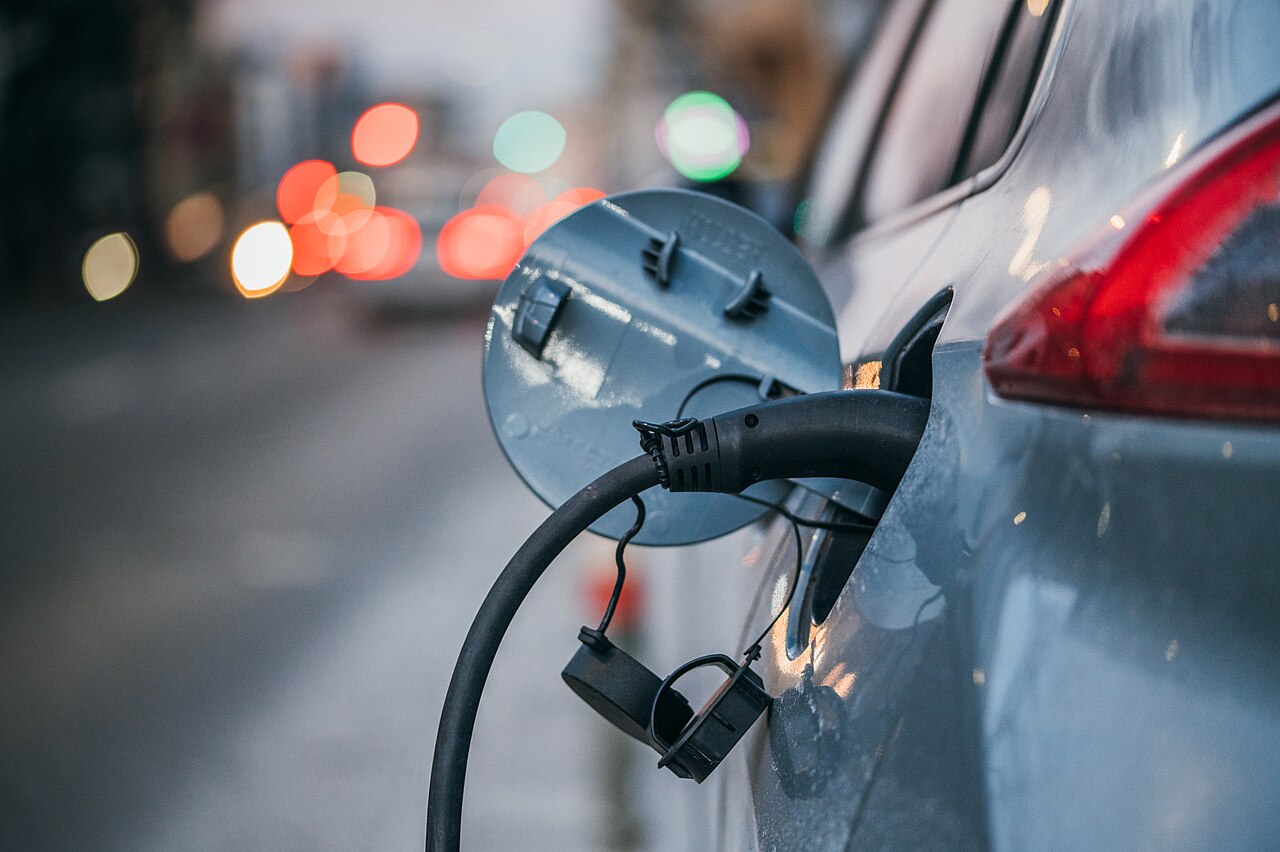
New people, new routines or new equipment: a family member working from home, guests over the holidays, a new EV charging overnight, a space heater in a cold room, a new aquarium, a dehumidifier in the basement, a hot tub. Any one of these can explain a jump. A 1,500-watt space heater running eight hours a day adds around $60 a month at 17 cents per kWh, as our space heater guide shows.
Step 5: Equipment that quietly fails
These are the hidden causes that catch people out:
- Heat pump stuck on backup heat. Heat pumps have electric resistance strips for very cold weather. If a sensor, thermostat setting or refrigerant problem leaves the strips running, winter usage can double without the house feeling any different. Look for "aux heat" or "emergency heat" on the thermostat display.
- Electric water heater problems. A leaking hot water pipe or a failed thermostat keeps the elements running.
- Well or sump pump cycling. A pump that clicks on every few minutes may have a leak, a stuck switch or a failing pressure tank.
- Old fridge or freezer with worn door seals or a dirty condenser coil, running far more than it should.
- AC low on refrigerant running long cycles on moderate days.
Step 6: Use your hourly data
Most utilities with smart meters show usage by hour, sometimes by 15 minutes, in their app or online account. Look at a night when everyone was asleep. A flat line well above your normal baseline, or a regular sawtooth pattern of something switching on and off, points straight at the culprit. Then switch off breakers one at a time and watch the next hour's reading drop. Our guide to standby power explains how to read that baseline.
Step 7: Still stuck?
- Ask the utility for a meter test if your hourly data does not match anything you can find.
- Check for shared wiring. In older multi-unit buildings, a neighbor's outlet or a common-area light can be on your meter.
- Book an energy audit. Many utilities subsidize them. See what a home energy audit includes.
Once you find the cause, fix it before the next billing cycle closes. A stuck backup heater or a running pump costs money every hour it goes unnoticed.
Questions people ask
Can my electric meter be wrong?
It is rare, but possible. Utilities will test a meter on request, sometimes for a fee that is refunded if the meter is found inaccurate. Before asking, check for estimated readings and compare hourly data to what you know was running.
Why is my electric bill high when I'm not home?
Something is running without you. Common culprits are a well pump or sump pump cycling constantly, an old second fridge or freezer, a water heater with a leak or a failing element, electric baseboard heat left on, or a pool or spa pump on a timer.
Why did my bill go up when I used less electricity?
Your price per kWh rose. Utilities adjust rates, fuel charges and riders during the year, and some plans have seasonal prices. Divide the total by the kWh on each bill to see the change.
Sources
Numbers on this page are estimates built on the stated assumptions. Your rates, climate and home will change them, so plug in your own figures. Nothing here is financial or professional advice.