The short version
- DOE: tankless heaters are 24–34% more efficient than tanks in homes using 41 gallons a day or less, and 8–14% in homes using around 86 gallons.
- DOE: heat pump water heaters can be two to three times as efficient as standard electric tanks.
- Tankless units often last 20+ years, against 10–15 for tanks, but cost more to install.
- Whole-house electric tankless units can need a very large electrical service. Check before you buy.
Water heaters tend to get replaced in a hurry, on the day the old one leaks across the garage floor. That is the worst time to choose, because the cheapest unit to install is rarely the cheapest to own. If yours is more than about ten years old, it is worth deciding now what you would buy.
The three main options
Standard storage tank
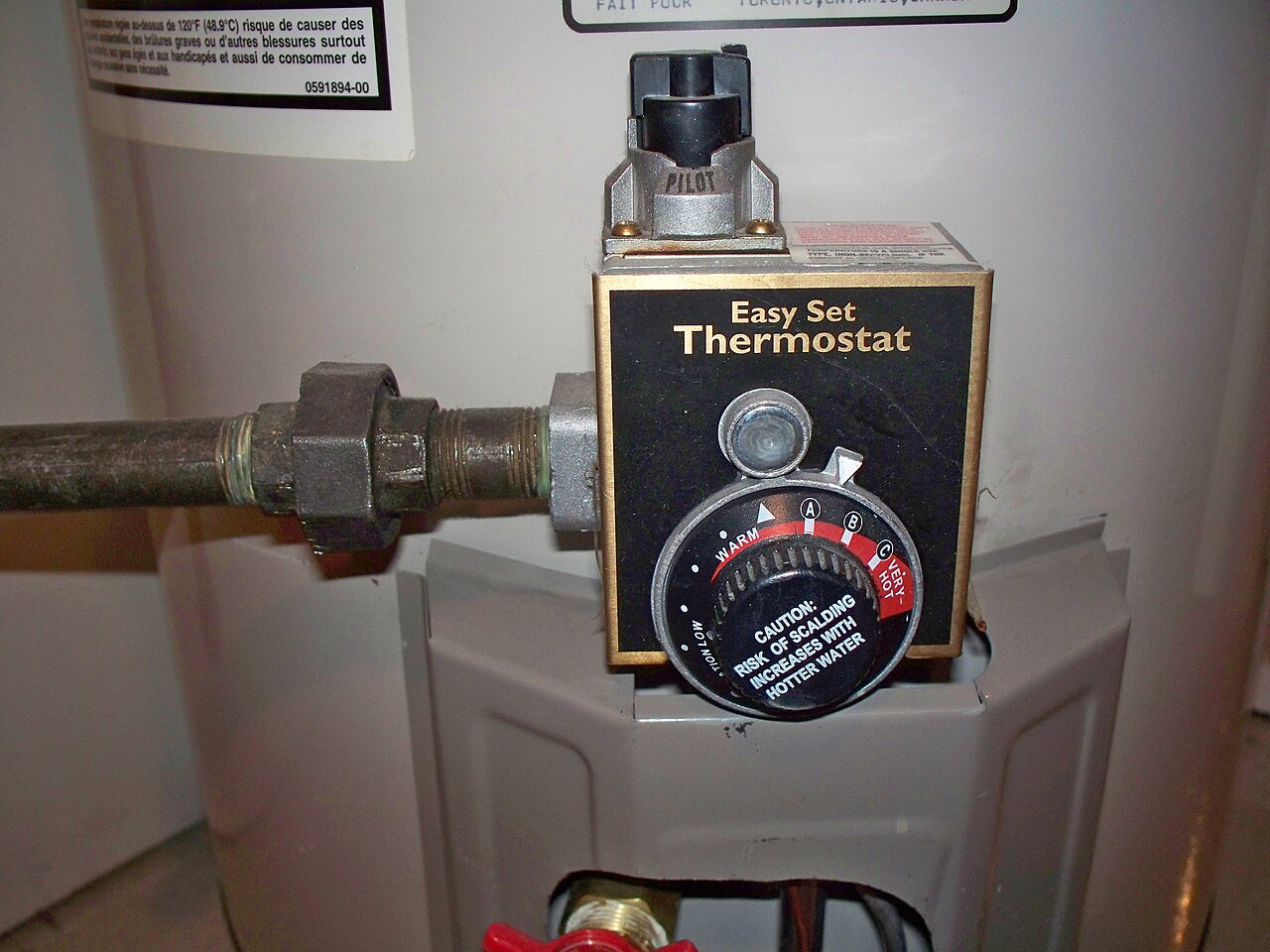
A 40 to 80 gallon tank, gas or electric, keeps water hot all the time. Cheap to buy and simple to install. The downside is standby loss: heat leaks out of the tank around the clock, whether you use hot water or not.
Tankless (on-demand)
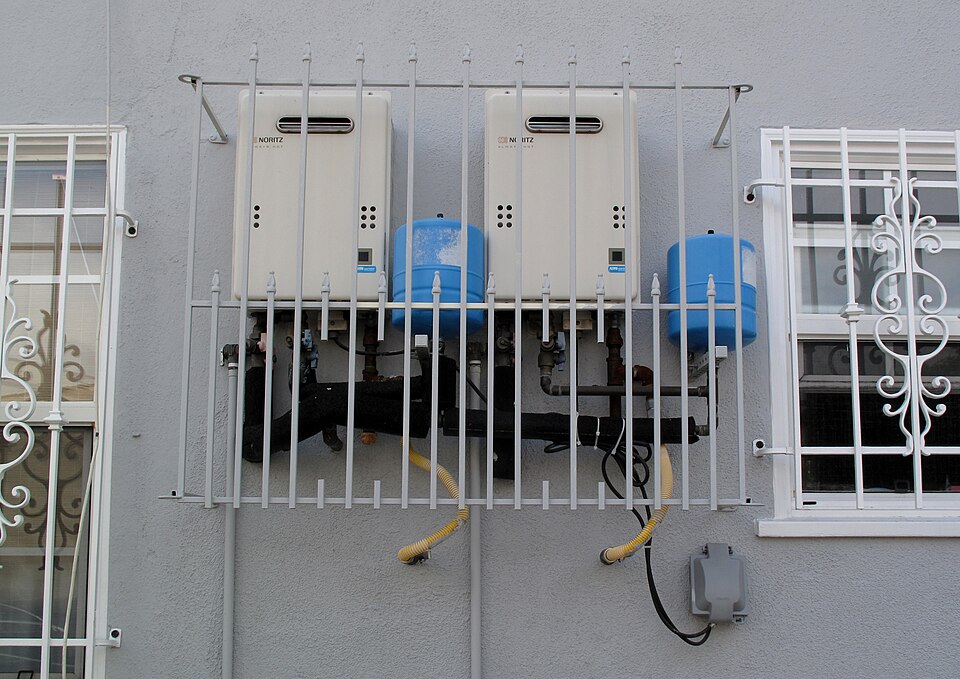
Water is heated as it flows through the unit, by a gas burner or electric elements. No tank, so no standby loss. The DOE says that for homes using 41 gallons or less of hot water a day, tankless heaters can be 24–34% more energy efficient than conventional storage tanks. For homes using a lot more, around 86 gallons a day, the gain falls to 8–14%.
Heat pump water heater
A tank with a small heat pump on top that pulls heat from the surrounding air into the water, the way a fridge works in reverse. The DOE says heat pump water heaters can be two to three times more energy efficient than conventional electric resistance water heaters. Most also have backup elements for times of heavy demand.
How they compare
| Type | Efficiency | Typical lifespan | Upfront cost |
|---|---|---|---|
| Electric tank | baseline | 10–15 years | lowest |
| Gas tank | lower fuel cost where gas is cheap | 10–15 years | low |
| Gas tankless | 8–34% better than a tank (DOE) | 20+ years | high |
| Heat pump tank | 2–3× an electric tank (DOE) | varies by model | medium to high |
Lifespans follow the DOE's guidance. Upfront cost depends heavily on what the installation needs, which is where many surprises hide.
The installation catches
Gas tankless
A gas tankless unit burns a lot of gas very quickly when a tap opens, often far more than a tank's burner. That can mean a bigger gas line, a new vent, and sometimes a condensate drain. Ask installers to confirm the gas line sizing in writing.
Electric tankless
Heating a shower's worth of water instantly takes enormous power. Whole-house electric tankless units can require well over 100 amps on their own, more than many homes' entire electrical service can spare. Small point-of-use electric units under a sink are a different, much easier story.
Heat pump water heaters
They need room: a space with enough air around them (manufacturers specify a minimum volume), a condensate drain, and a location where the mild cooling they produce is not a problem. A garage or basement in a warm or moderate climate is ideal. Some newer models plug into a standard 120-volt outlet, which avoids rewiring.
Which one makes sense for you
- You have an electric tank: a heat pump water heater is usually the biggest saving available, if you have the space.
- You have gas and use modest amounts of hot water: a gas tankless unit saves energy and space, if the gas line and venting work out.
- Large family, lots of simultaneous showers: a high-efficiency tank, or a properly sized tankless with a high flow rating.
- Tight budget and a working tank: keep it, set it to 120°F, and plan the replacement before it fails.
Before the next replacement
Check your current tank's age on the label (the serial number often encodes the year). Look up rebates from your utility and state: heat pump water heater rebates are among the most common efficiency incentives, even though the federal tax credit for them ended for equipment installed after 2025. And whatever you have now, the cheapest saving is the dial: see what temperature to set it to.
Questions people ask
Do tankless water heaters run out of hot water?
They never run out the way a tank does, but each unit can only heat a certain flow at once. If two showers and a dishwasher run together in winter, when incoming water is coldest, an undersized unit will deliver lukewarm water. Sizing by flow rate and temperature rise matters.
Are heat pump water heaters noisy?
They have a compressor and fan, so they make a sound similar to a dehumidifier. They also cool and dry the space they sit in, which is welcome in a hot garage and less welcome in a small closet next to a bedroom.
What is the cheapest water heater to run?
For most homes with electricity only, a heat pump water heater has the lowest running cost. Where natural gas is cheap, a high-efficiency gas tankless or condensing tank is also very economical. Your local prices decide.
Sources
Numbers on this page are estimates built on the stated assumptions. Your rates, climate and home will change them, so plug in your own figures. Nothing here is financial or professional advice.