The short version
- ENERGY STAR estimates air sealing plus insulation saves an average of 15% on heating and cooling, about 11% of total energy costs.
- Seal first, then insulate. Insulation does not stop air moving through gaps.
- The worst leaks are usually in the attic floor and the basement rim, not the windows.
- In most of the US, the attic target is R-49 to R-60, roughly 14 to 18 inches of loose fill.
Ask a contractor how to cut your heating bill and you might be quoted for new windows, a new furnace or a solar array. Ask an energy auditor and the answer is usually less glamorous: go up into the attic with a can of foam. It is unpleasant, dusty work, and it is very often the best return on money in the whole house.
Why the cheap fix comes first
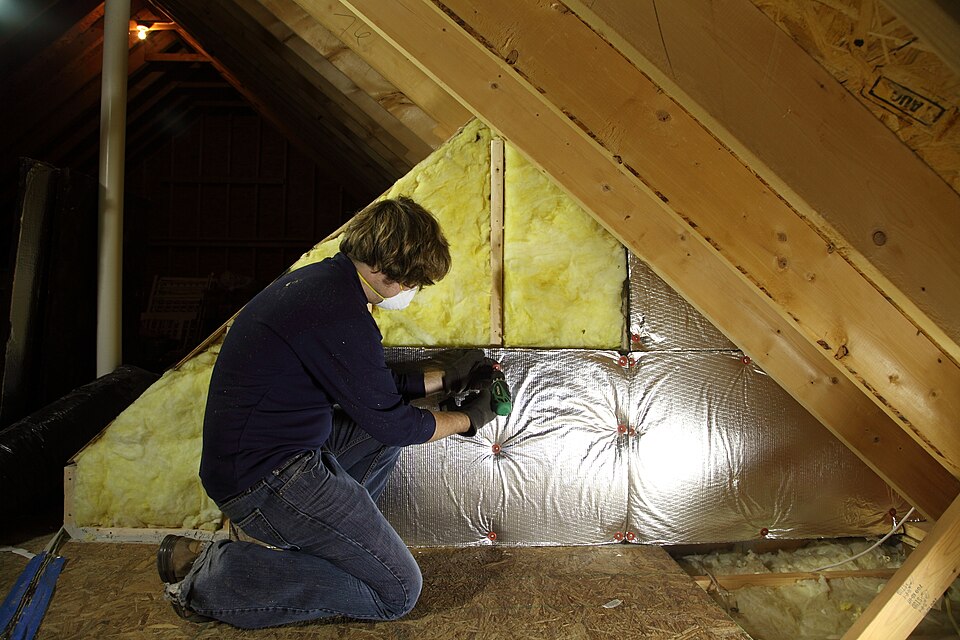
ENERGY STAR estimates that homeowners can save an average of 15% on heating and cooling costs, or about 11% of total energy costs, by air sealing and adding insulation in attics, floors over crawl spaces and basement rim joists. Materials for much of that work cost a few hundred dollars if you do it yourself.
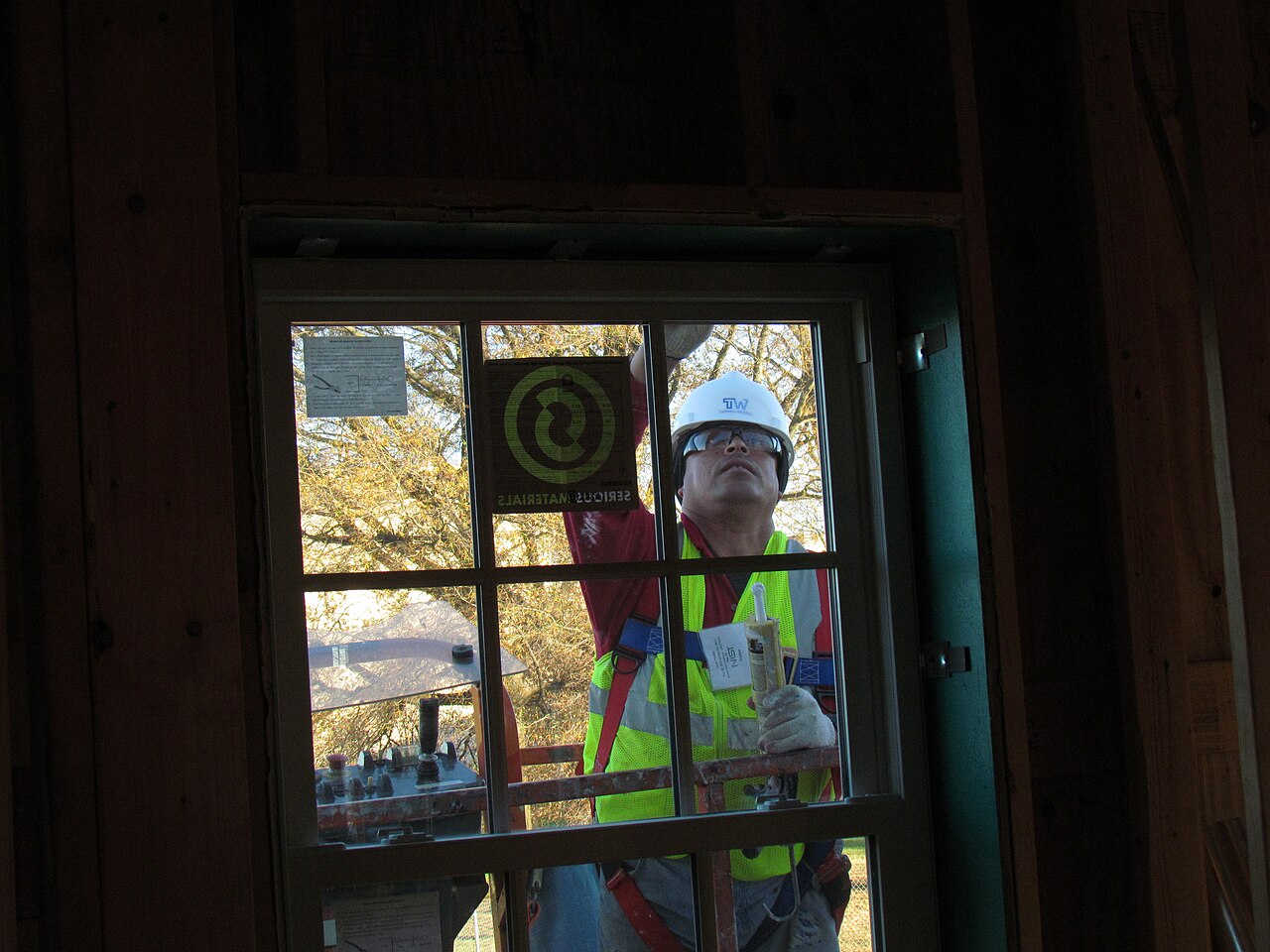
Compare that with windows. They make up a small share of a wall's area, and replacing them all is one of the most expensive projects in a home. New windows can be worth it for comfort, noise or when the old ones are rotting, but as an energy upgrade they tend to sit at the bottom of the payback list.
Seal first, then insulate
Insulation slows heat moving through a surface. It does not stop air moving through a hole. Warm air rises, so in winter it pushes out through every gap in the top of the house, and cold air is pulled in low down to replace it. This stack effect works all season long.
Fiberglass and loose-fill insulation are poor air barriers. Laying more on top of an attic floor full of gaps is like wearing a thick wool sweater in the wind: better than nothing, but a windbreaker over it changes everything. Sealing is the windbreaker.
Where the big leaks hide
The gaps that matter are usually not the ones you can feel at a window. They are hidden where building parts meet:
- Attic bypasses. Holes where plumbing vents, wiring and ducts pass up through the ceiling, the gap around a chimney or flue chase, and the tops of interior walls.
- Recessed lights. Older cans that are not airtight act like small chimneys into the attic.
- The attic hatch or pull-down stairs. Often an uninsulated, unsealed panel in the middle of your warmest ceiling.
- The basement rim joist. The band of framing that sits on the foundation, often with daylight-sized gaps.
- Ductwork in attics and crawl spaces. Leaky joints can lose heated or cooled air before it reaches a room.
Low-expanding spray foam fills gaps up to a few inches. Caulk handles cracks. Rigid foam board or sheet metal, sealed at the edges, covers big openings. Around chimneys and flues, use sheet metal and high-temperature fire-rated sealant, never foam, and keep the clearance the code requires between combustible material and the flue.
How much insulation you need
Insulation is rated by R-value, its resistance to heat flow. Higher is better. For attics, ENERGY STAR recommends levels by climate zone, ranging from about R-30 in the warmest parts of the country to R-49 to R-60 across most of it.
| Climate | Example areas | Attic target | Approx. loose-fill depth |
|---|---|---|---|
| Hot (zone 1) | South Florida, Hawaii | R-30 to R-49 | 9–15 in |
| Warm (zones 2–3) | Texas, the Southeast | R-30 to R-60 | 9–18 in |
| Mixed and cold (zones 4–8) | Mid-Atlantic to Alaska | R-49 to R-60 | 14–18 in |
Depths assume roughly R-3.2 to R-3.5 per inch, typical of blown cellulose and fiberglass. The product's bag lists exact coverage. Grab a tape measure next time you are in the attic. If you can see the tops of the ceiling joists, you almost certainly have less than R-30.
Before you start: a safety check
A few attic conditions mean you should stop and call a professional:
- Vermiculite insulation. Grey-brown, pebbly and lightweight, often found in older homes. Some vermiculite contains asbestos. The EPA advises leaving it undisturbed and having it handled by trained professionals.
- Knob-and-tube wiring. Old wiring on ceramic posts should not be buried in insulation. Have an electrician assess it first.
- Signs of moisture or mold on the underside of the roof deck. Find and fix the cause first, which is often a bathroom fan venting into the attic.
- Gas appliances in the house. Tightening a home changes how air moves. A combustion safety test checks that furnaces and water heaters still vent properly.
When you add insulation, fit baffles at the eaves so it does not block the soffit vents that keep the attic ventilated, and keep it away from recessed lights unless they are rated for insulation contact (marked IC).
Get an energy audit first, if you can
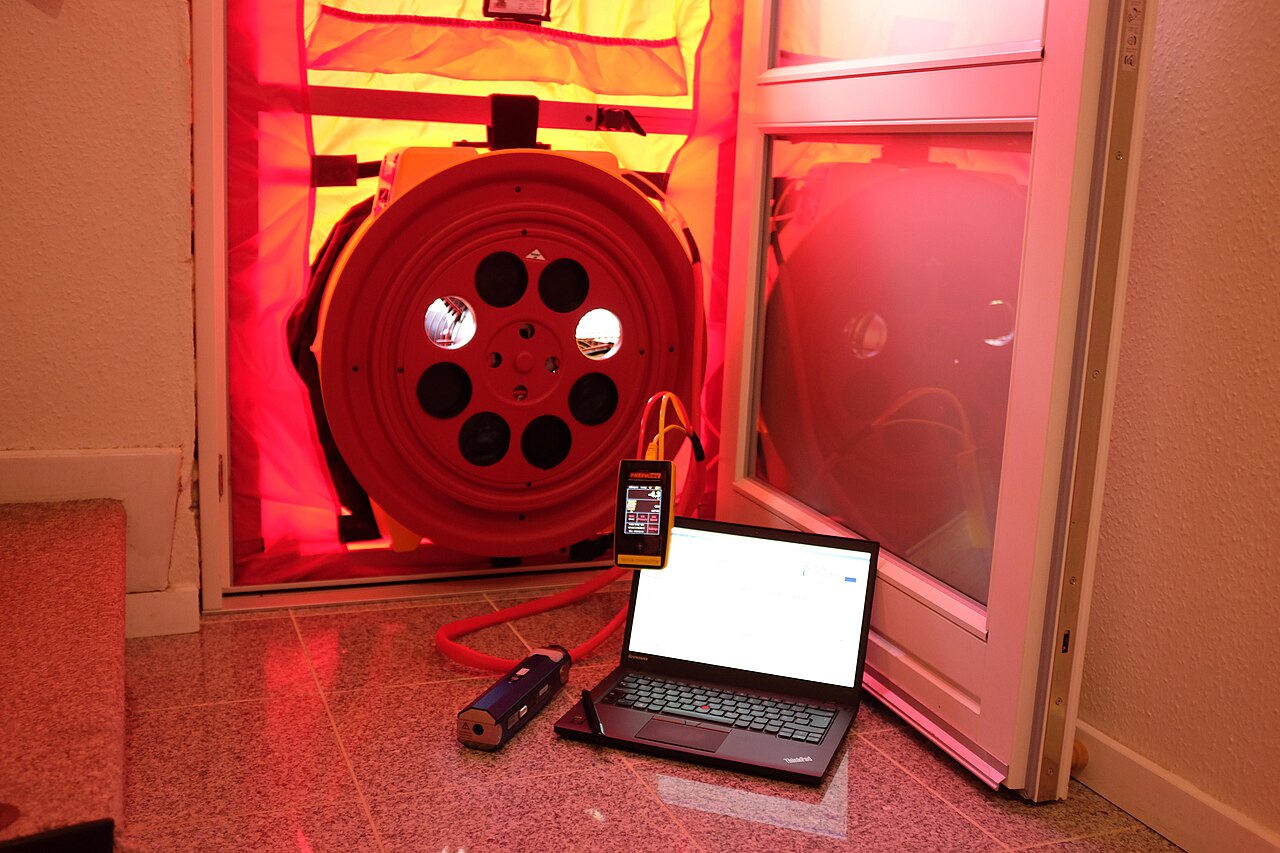
A professional home energy audit with a blower-door test depressurizes the house and shows exactly where the air is getting in, often with a thermal camera. Many utilities subsidize audits heavily, and some offer rebates on the sealing and insulation work that follows. Your utility's website is the place to check.
Whatever you do afterwards, a tighter, better-insulated house makes every other upgrade cheaper. A heat pump can be smaller, a thermostat setback holds better overnight, and the house stays comfortable at a lower setting. It is the boring first step, and in most homes it is the right one.
Questions people ask
Is it better to replace windows or add insulation?
For saving energy, sealing and insulating usually pays back much faster. Windows are a small share of a wall's area and new ones are expensive. Replace windows when they are failing, and seal and insulate first.
Can I insulate my attic myself?
Many homeowners do, especially adding loose-fill on top of existing insulation. Before starting, check for knob-and-tube wiring, vermiculite insulation (which may contain asbestos and should not be disturbed), and the clearances needed around chimneys and flues. Wear a respirator, goggles and long sleeves.
Can a house be too airtight?
A tighter house needs planned ventilation instead of random leaks. Bathroom and kitchen exhaust fans that vent outside, and in very tight homes a mechanical ventilation system, keep air quality healthy. A professional energy audit with a blower-door test will tell you where you stand.
Sources
Numbers on this page are estimates built on the stated assumptions. Your rates, climate and home will change them, so plug in your own figures. Nothing here is financial or professional advice.