The short version
- ENERGY STAR says certified smart thermostats save about 8% on heating and cooling bills on average.
- A programmable thermostat saves the same if you set a good schedule and leave it alone. Many people don't.
- Check wiring first: many smart thermostats need a C-wire (common wire) for constant power.
- Utilities often offer rebates, and some pay you to let them adjust settings during peak demand.
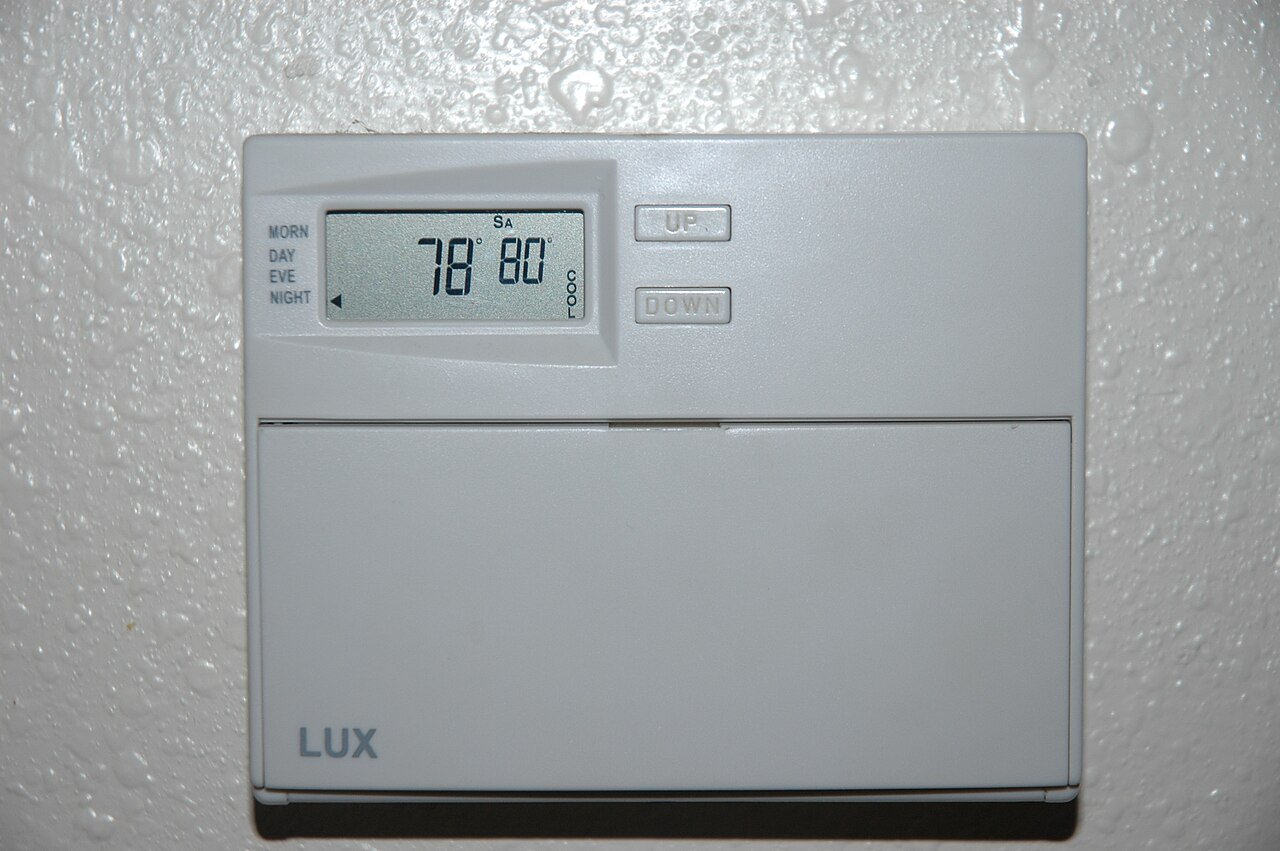
On paper, a programmable thermostat can do almost everything that saves money: lower the heat at night and when you are out, raise it before you wake up. In practice, studies of real homes found many programmable thermostats were never programmed, or were overridden into a permanent hold. Smart thermostats exist largely to fix that human problem.
How much each one saves
The savings come from setbacks: letting the temperature drift lower in winter, or higher in summer, while you sleep or are out. The DOE says a 7–10°F setback for 8 hours a day can save up to 10% a year on heating and cooling. Our thermostat settings guide explains the physics and has a calculator.
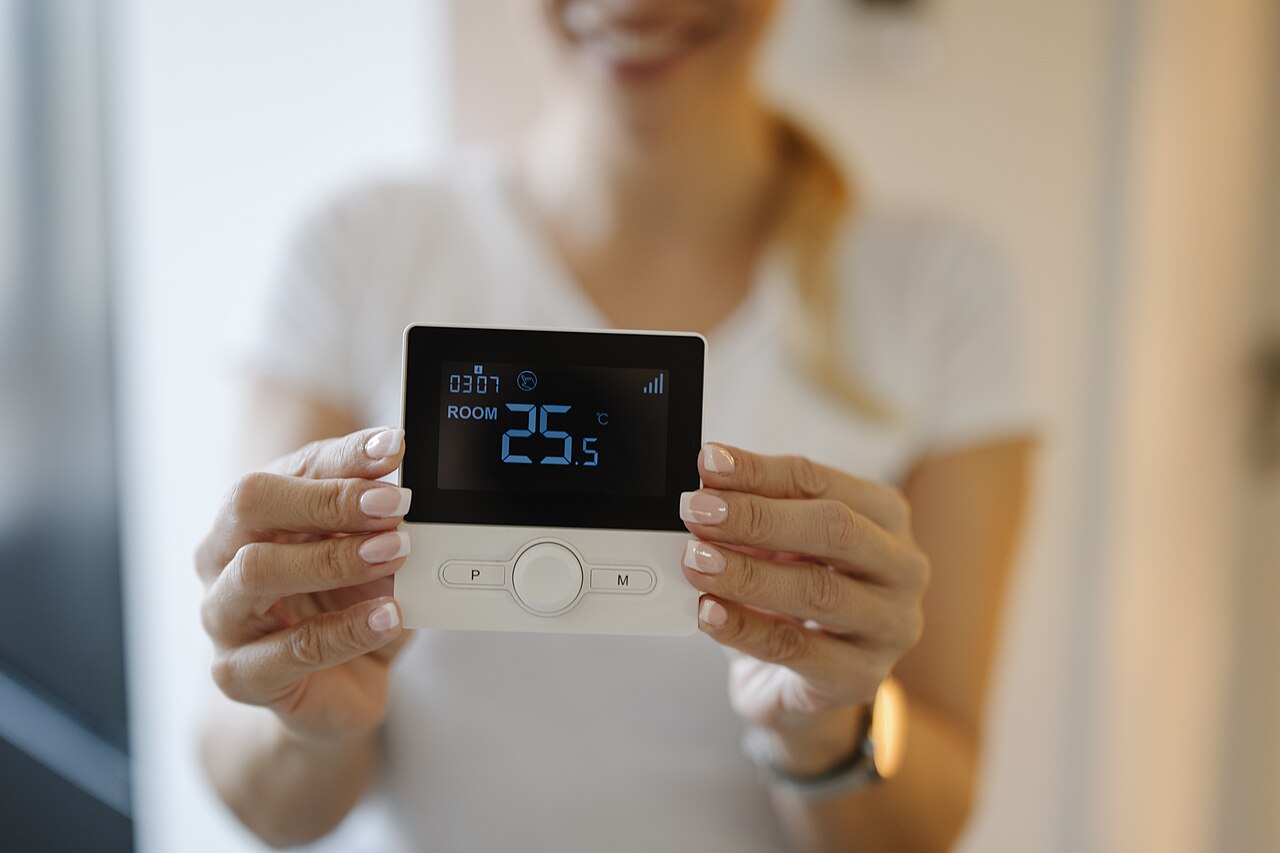
ENERGY STAR says its certified smart thermostats save about 8% on heating and cooling bills on average, compared with typical use. If you already run a disciplined schedule on a programmable unit, your extra saving from going smart will be smaller. If your current thermostat sits at one temperature all day, it will likely be larger.
Features that actually save money
- Occupancy detection and geofencing. The thermostat knows when everyone has left, using motion sensors or your phone's location, and sets back automatically even when your day doesn't match the schedule.
- Learning or schedule suggestions. It proposes a schedule from how you actually adjust it.
- Remote control. Forgot to turn it down before a weekend away? Fix it from your phone.
- Runtime reports. Seeing how many hours the system ran each day makes problems and habits visible.
- Heat pump smarts. Gentle recovery and auxiliary heat lockout keep a heat pump from using its costly backup strips.
- Utility rate awareness. Some models pre-cool or pre-heat before time-of-use peaks.
Features that matter less for savings: voice assistants, big color screens and weather widgets.
Before you buy: compatibility
- Turn off power to the HVAC system at the breaker, remove the old thermostat's faceplate and photograph the wiring with its labels.
- Check for a C-wire. Many smart thermostats need one for constant power. Some include a power adapter kit for systems without one.
- Check your system type against the manufacturer's compatibility tool: gas furnace, heat pump with auxiliary heat, boiler, dual fuel, multi-stage.
- Line-voltage systems are different. Electric baseboard heaters controlled by thick 120 or 240-volt wires need a special line-voltage thermostat, not a standard smart thermostat.
If anything looks unfamiliar, an HVAC technician can install it in under an hour.
Rebates and demand response
Many utilities offer rebates on ENERGY STAR certified smart thermostats, sometimes enough to cover a large share of the price. Some also run demand response programs that pay you a credit to let them nudge your thermostat a couple of degrees during a handful of peak-demand events each year. You can usually override an event if you need to.
Privacy
A smart thermostat collects data on when you are home, your temperature preferences and sometimes your location. Read the privacy settings, turn off features you don't use, keep the firmware updated, and use a strong unique password with two-factor authentication on the account.
Which one should you get?
If you are disciplined and your schedule is regular, a basic programmable thermostat set once and left alone captures most of the savings for less money. If your schedule varies, if people in your home override the settings, or if you have a heat pump or a time-of-use rate, a smart thermostat is usually worth it, especially after a utility rebate.
Questions people ask
What is a C-wire and do I need one?
The common wire supplies constant 24-volt power to the thermostat. Many smart thermostats need it to run their screen and Wi-Fi. If your wall has no C-wire, some models include an adapter, others can work without one, and an HVAC technician can often add one.
Do smart thermostats work with heat pumps?
Most do, but make sure the model supports your system type and settings, such as auxiliary heat lockout and a reversing valve. Configured correctly, a smart thermostat helps a heat pump avoid running its expensive backup heat.
Can a smart thermostat work without Wi-Fi?
Most keep running their schedule and holding temperature without internet, but you lose remote control, learning features and software updates until the connection returns.
Sources
Numbers on this page are estimates built on the stated assumptions. Your rates, climate and home will change them, so plug in your own figures. Nothing here is financial or professional advice.